Phillip James Dodd’s An American Renaissance: Beaux-Arts Architecture in New York City is a magnificent acquisition for anyone fascinated by the exuberance of old New York. It is widely hailed as a "sumptuous" and "dazzling" masterpiece that serves as the definitive visual record of the Gilded Age.
The book strikes a rare balance between scholarly erudition and dramatic storytelling. Dodd doesn't just list architectural specs; he acts as a sophisticated guide through the high-stakes social and economic milieu of the era. Reviewers note the text is meticulously researched, and written with a flair that brings the titans of finance and industry who funded these projects to life. Architecture professionals, including muralists and decorators, call it a "must-have" and a permanent reference for classical style.
The backbone of the book is Jonathan Wallen’s photography, captured with an eye for microscopic detail that often requires binoculars to see in person. Many of the featured interiors are private and not open to the public, making the book a rare key to the city's hidden palazzos.
At over 400 pages and nearly 15 inches tall, the physical book uses oversized gatefolds to do justice to monumental spaces. A stylish introduction by Julian Fellowes (Downton Abbey creator) connects the architecture to the power dynamics seen in his show “The Gilded Age.”
While the book covers icons like the New York Public Library, it is lauded for including "obscure buildings that history has forgotten," such as the mausoleums of Woodlawn Cemetery.
It also successfully links the symbiotic relationship between New York and Newport high society, showing how architecture was used to flaunt wealth and rival the cultural capitals of Europe. A true gem for the professional and the curious.

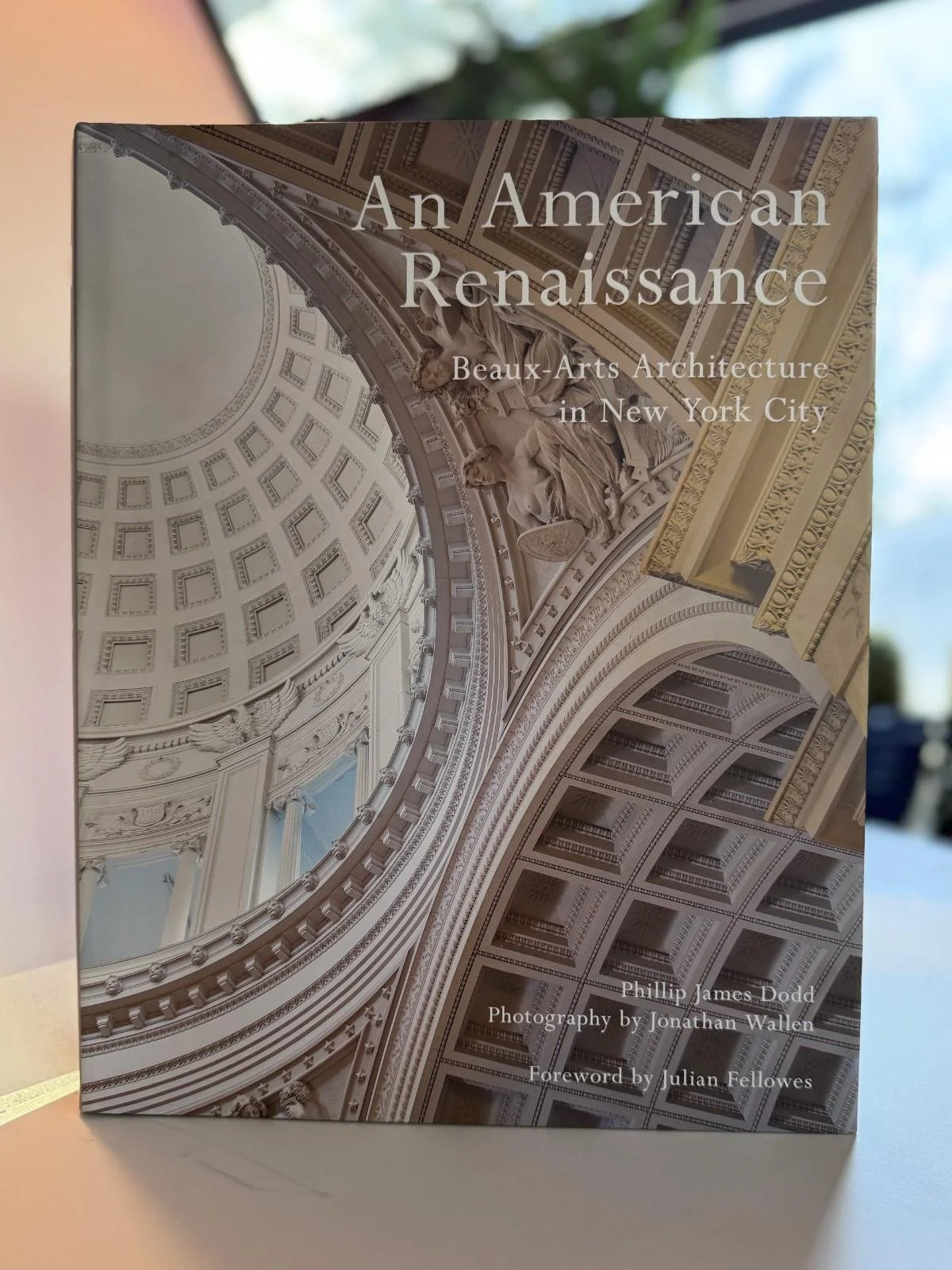 Image 1 of 15
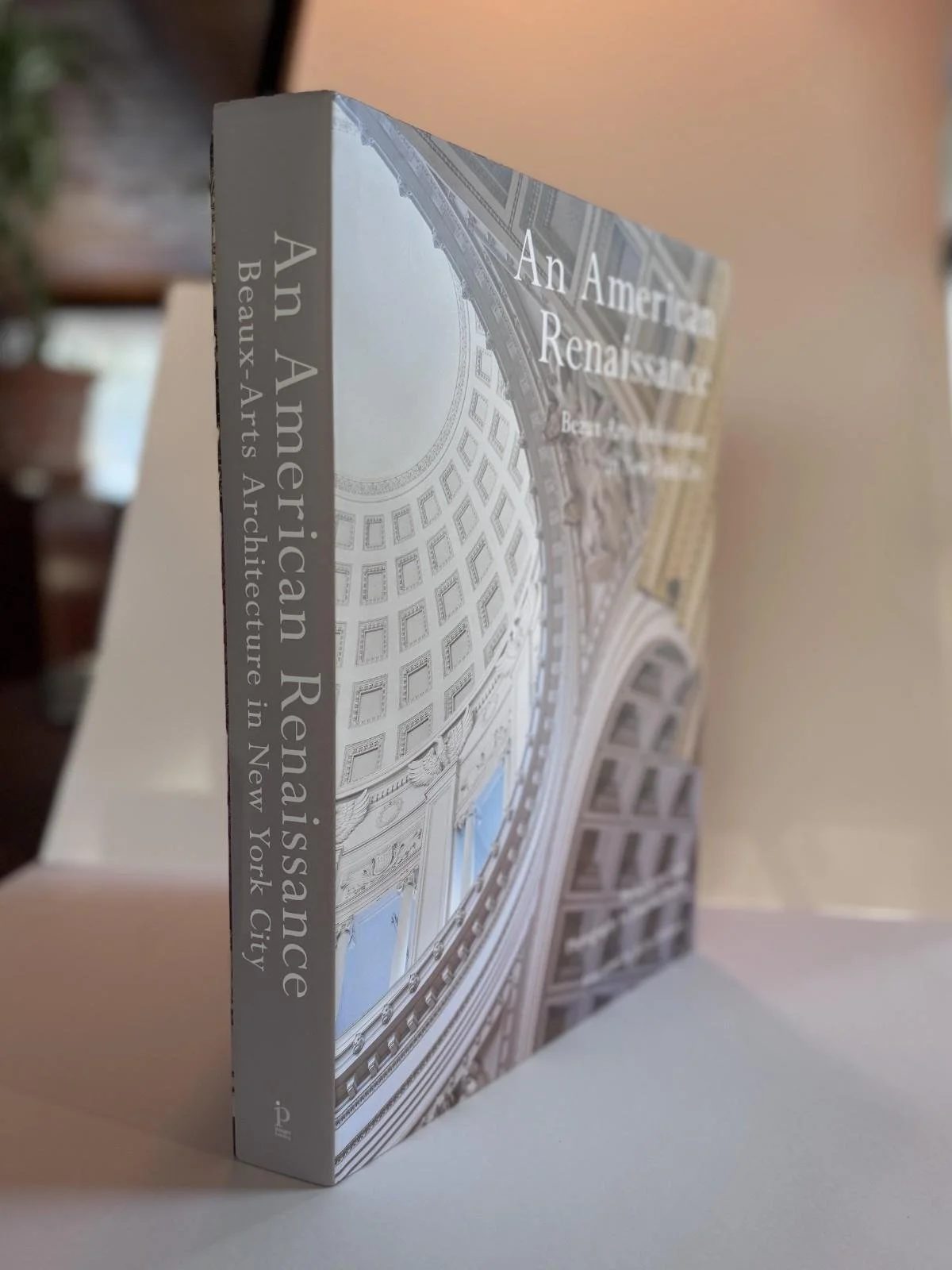 Image 2 of 15
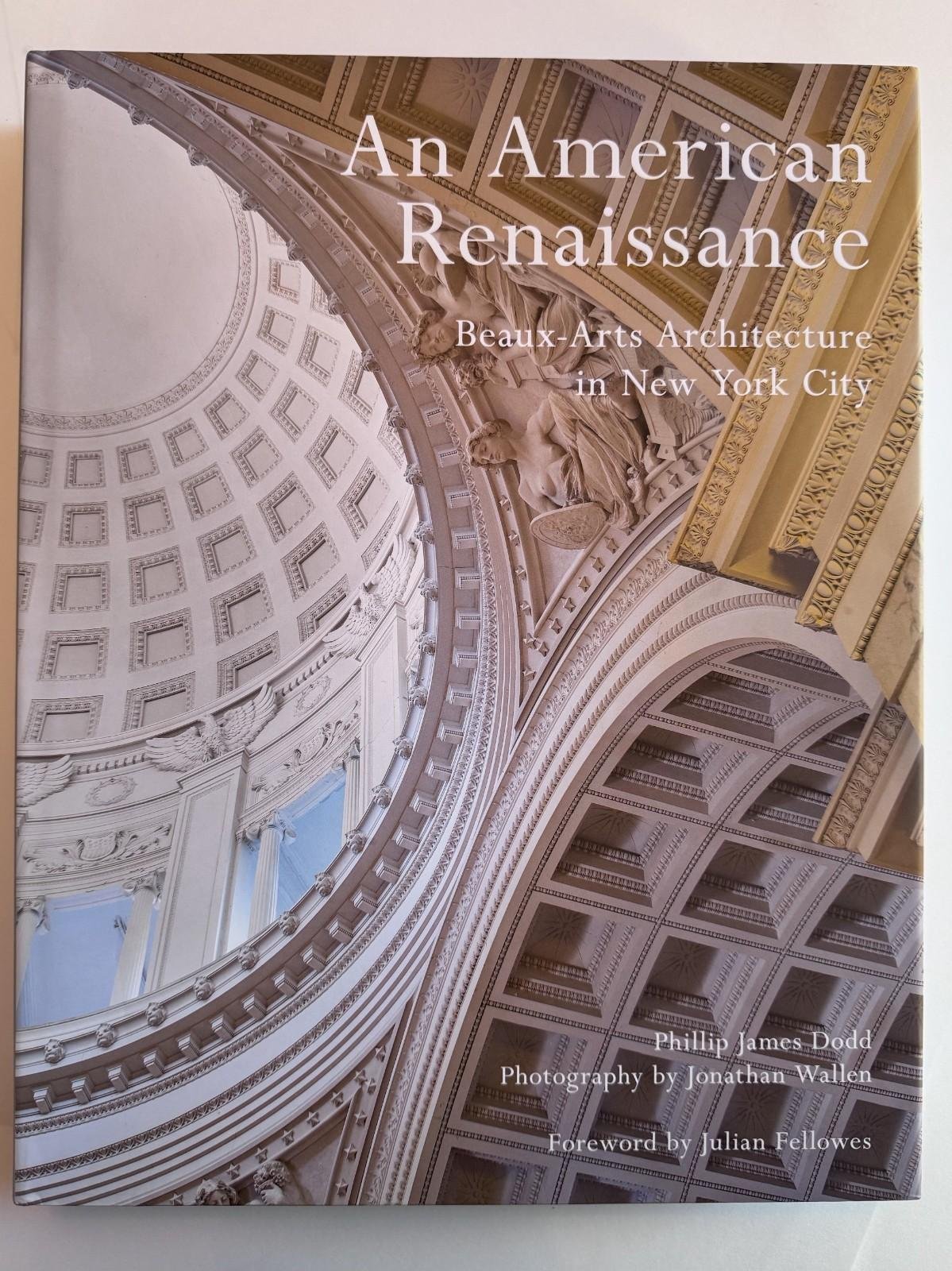 Image 3 of 15
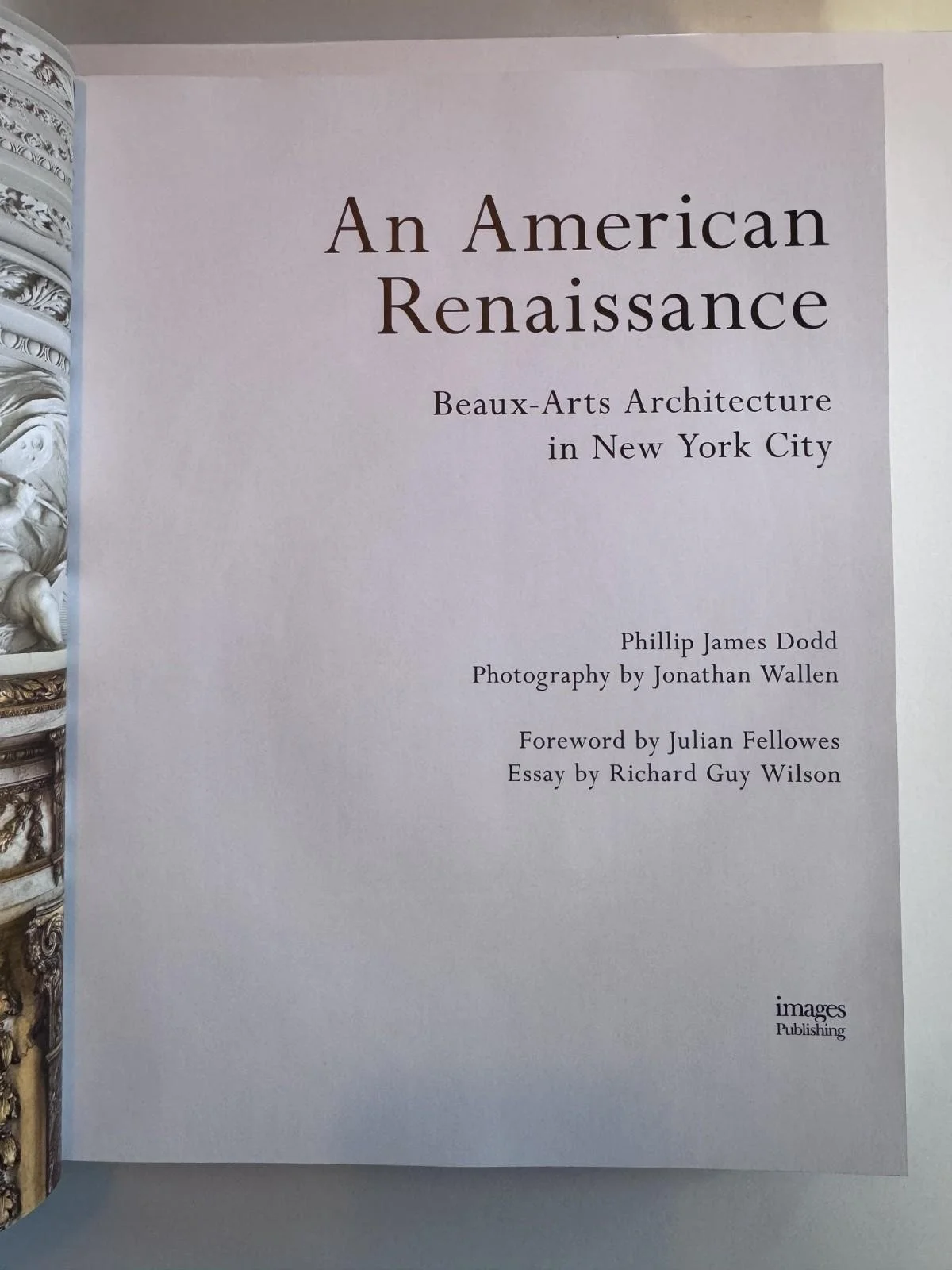 Image 4 of 15
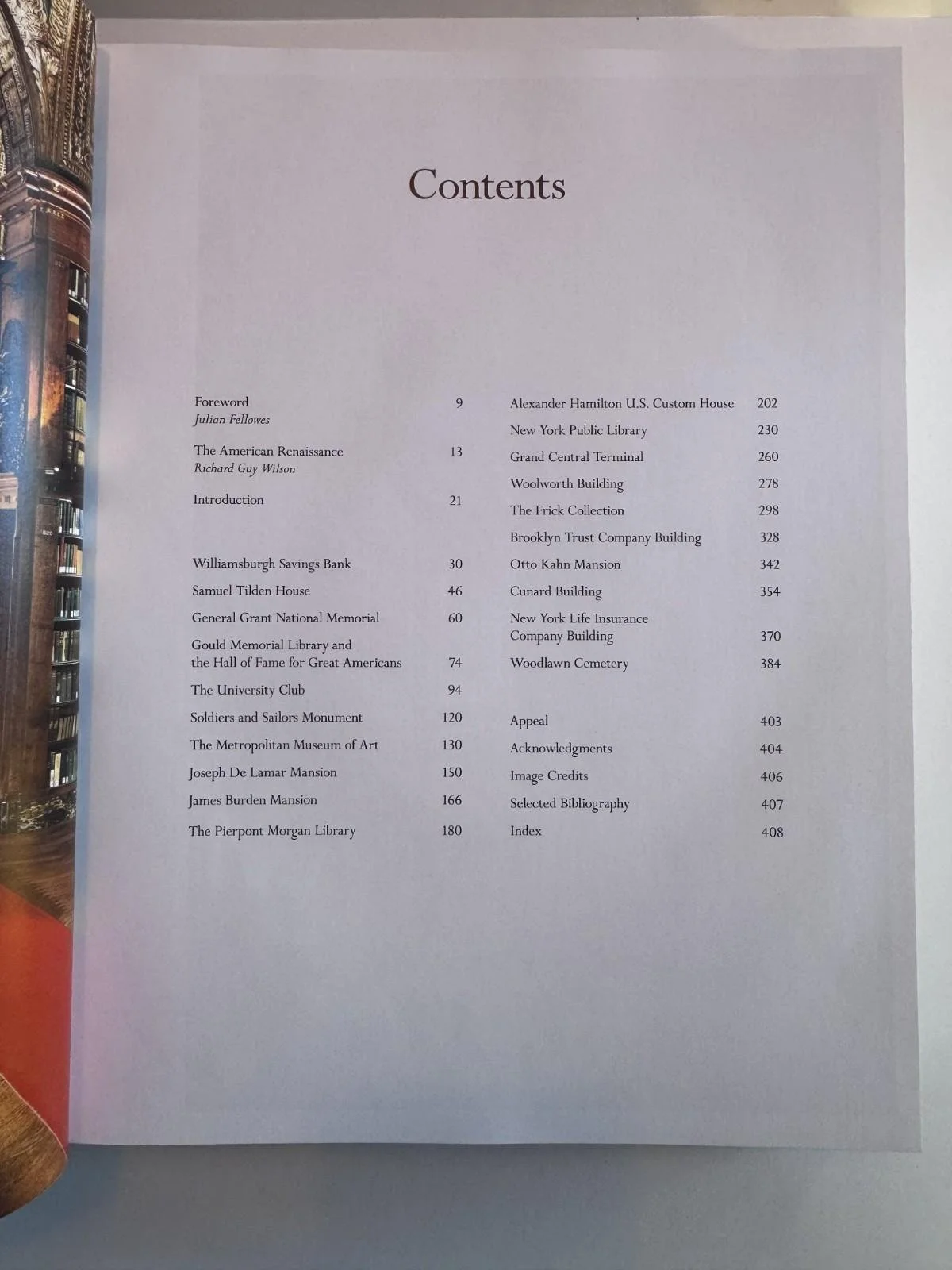 Image 5 of 15
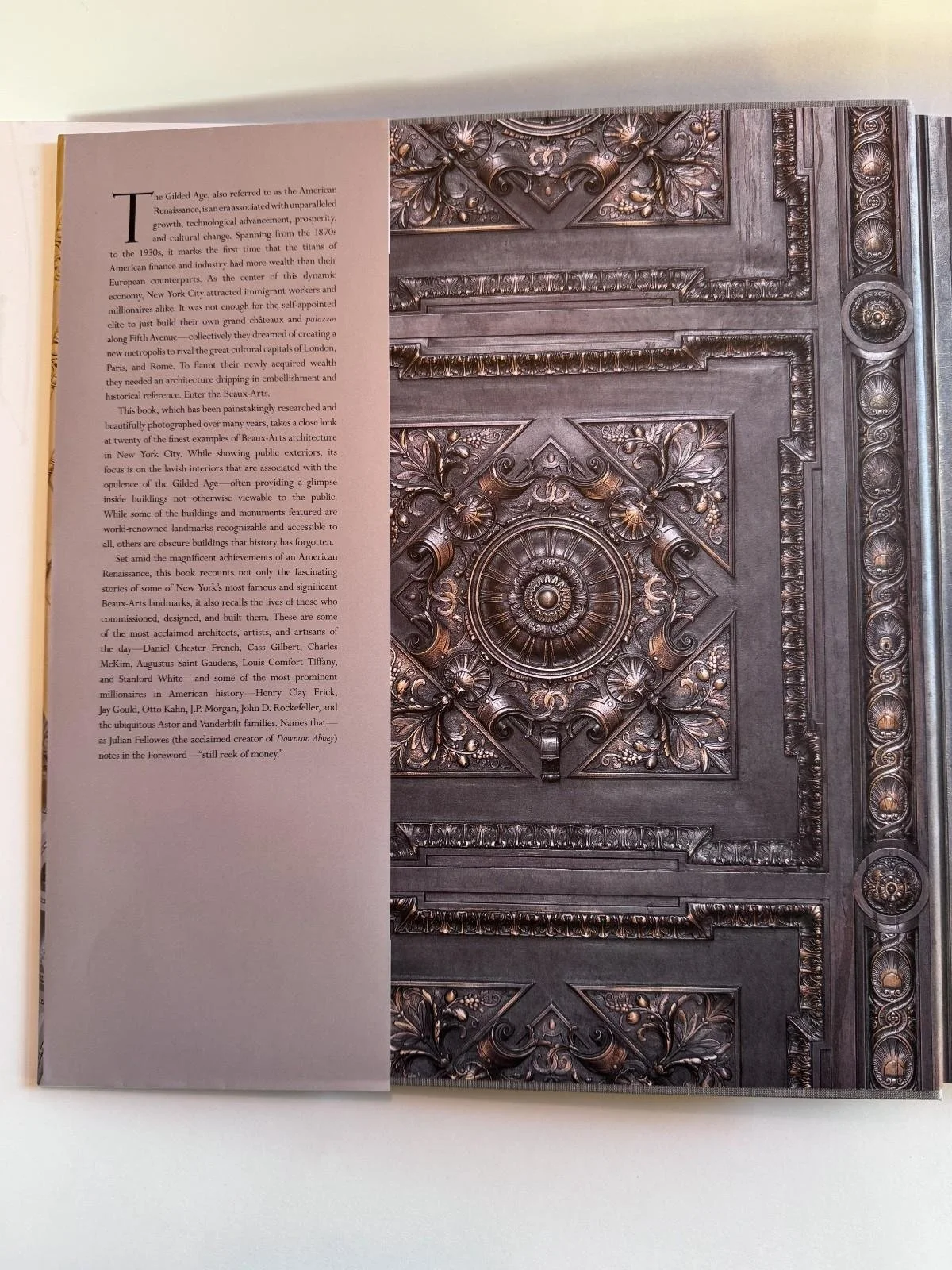 Image 6 of 15
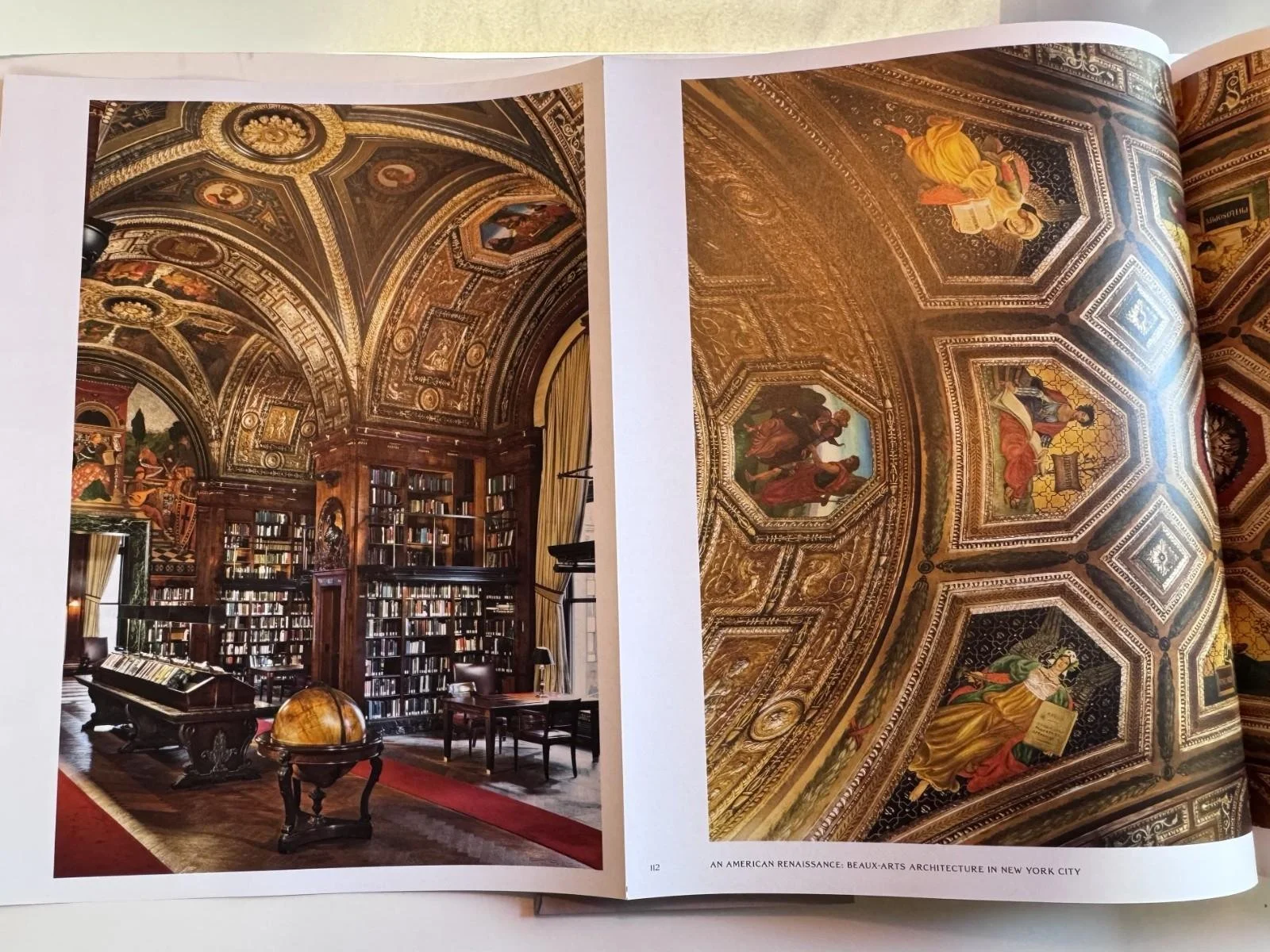 Image 7 of 15
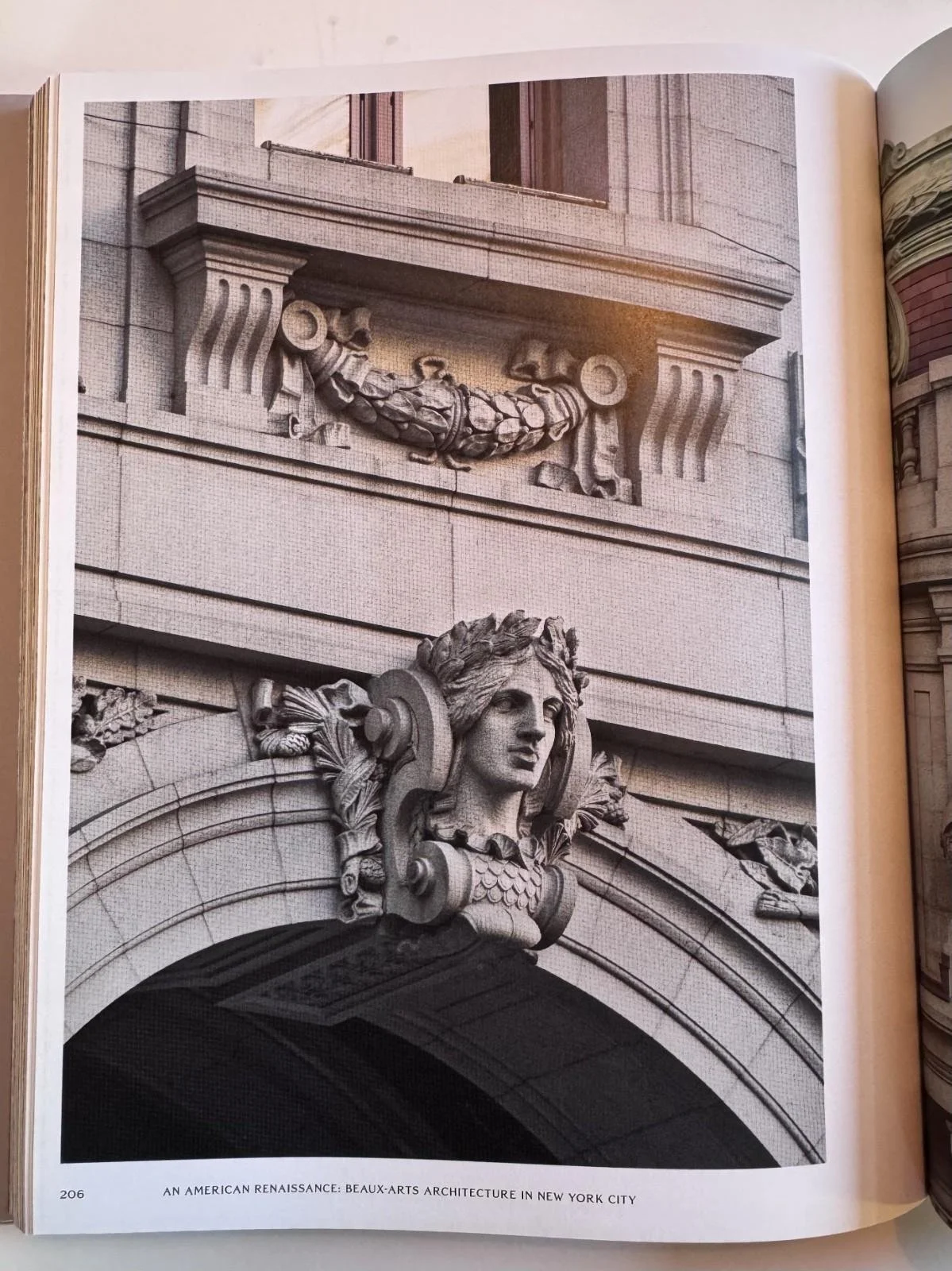 Image 8 of 15
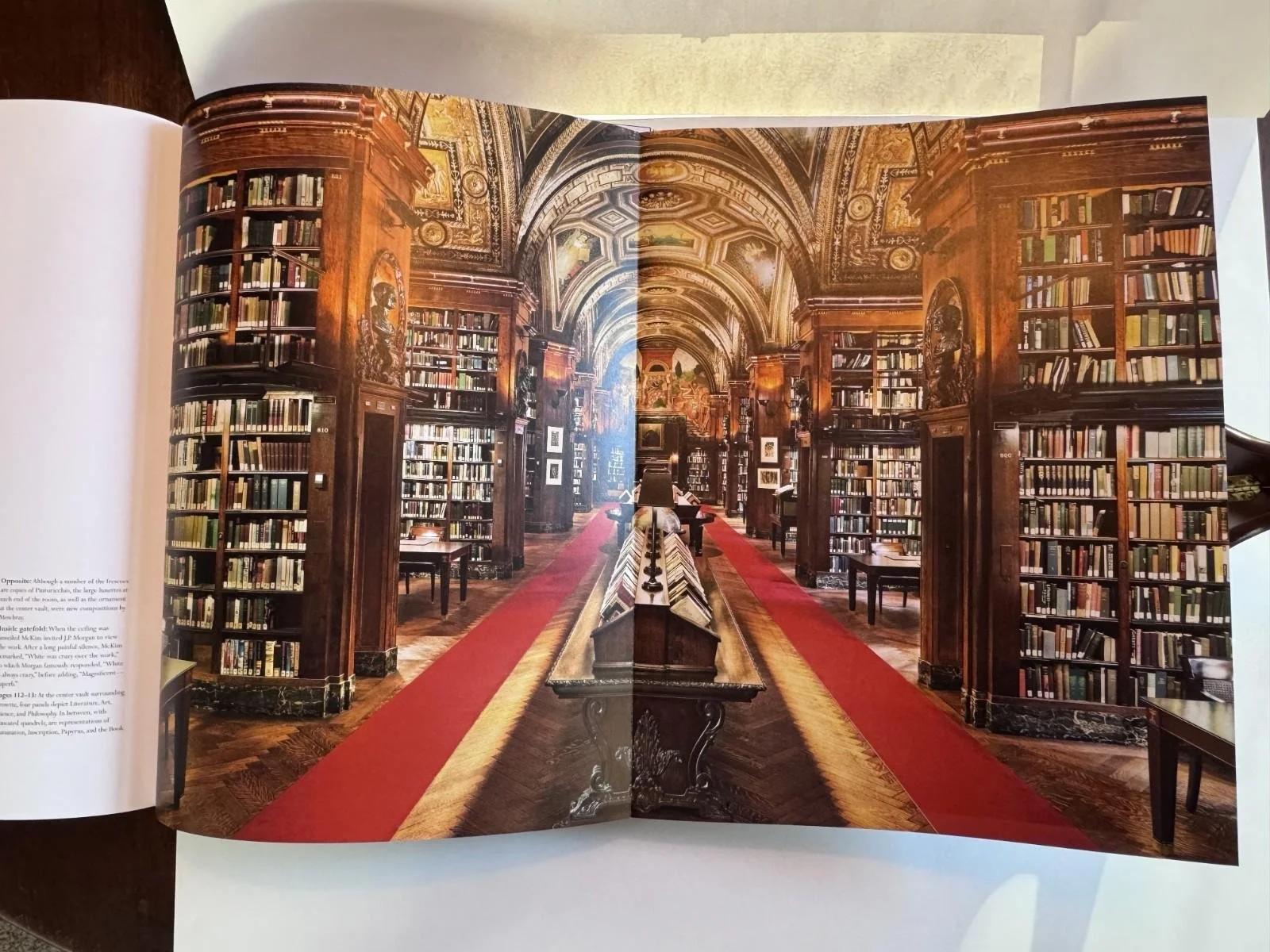 Image 9 of 15
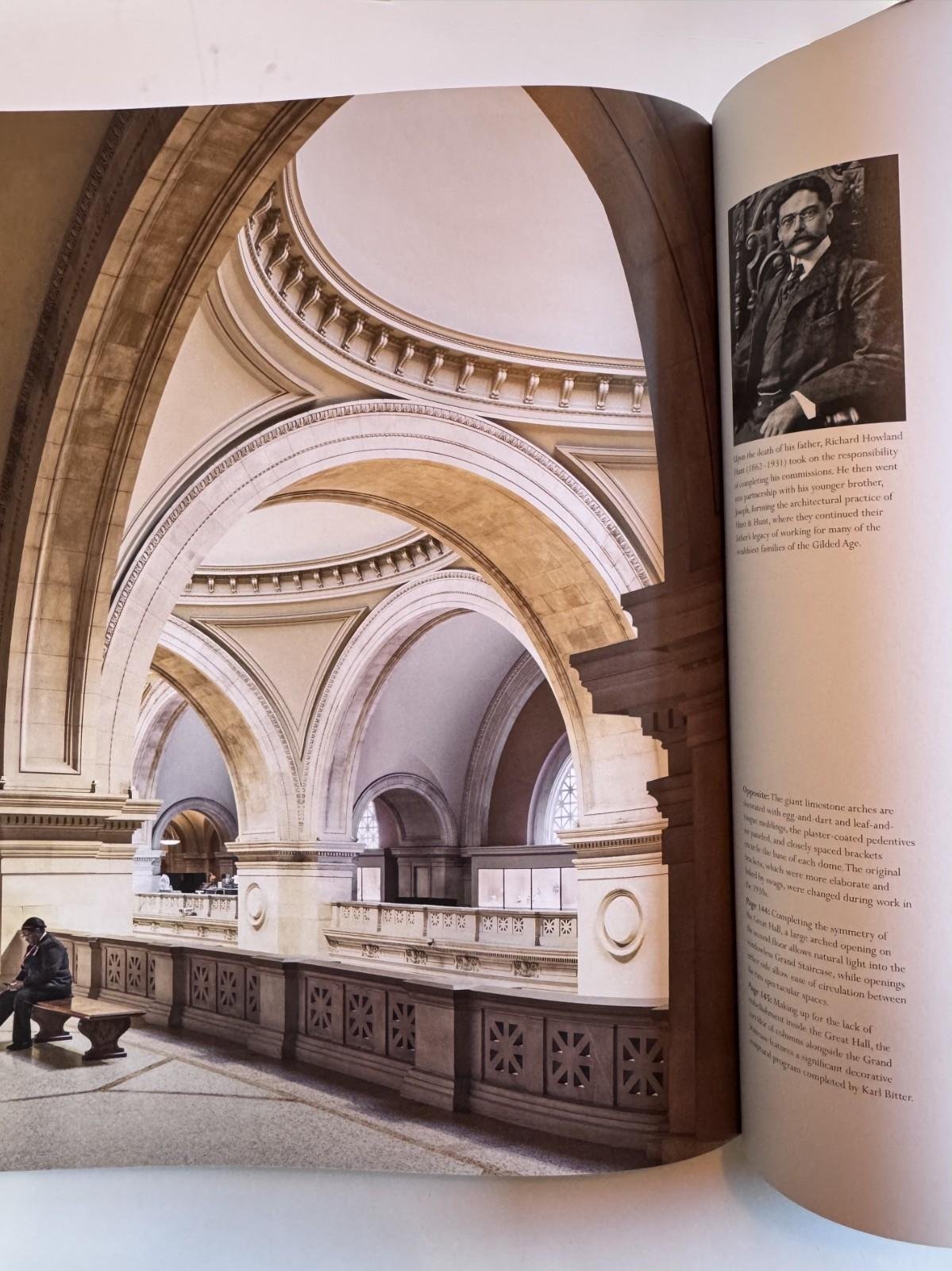 Image 10 of 15
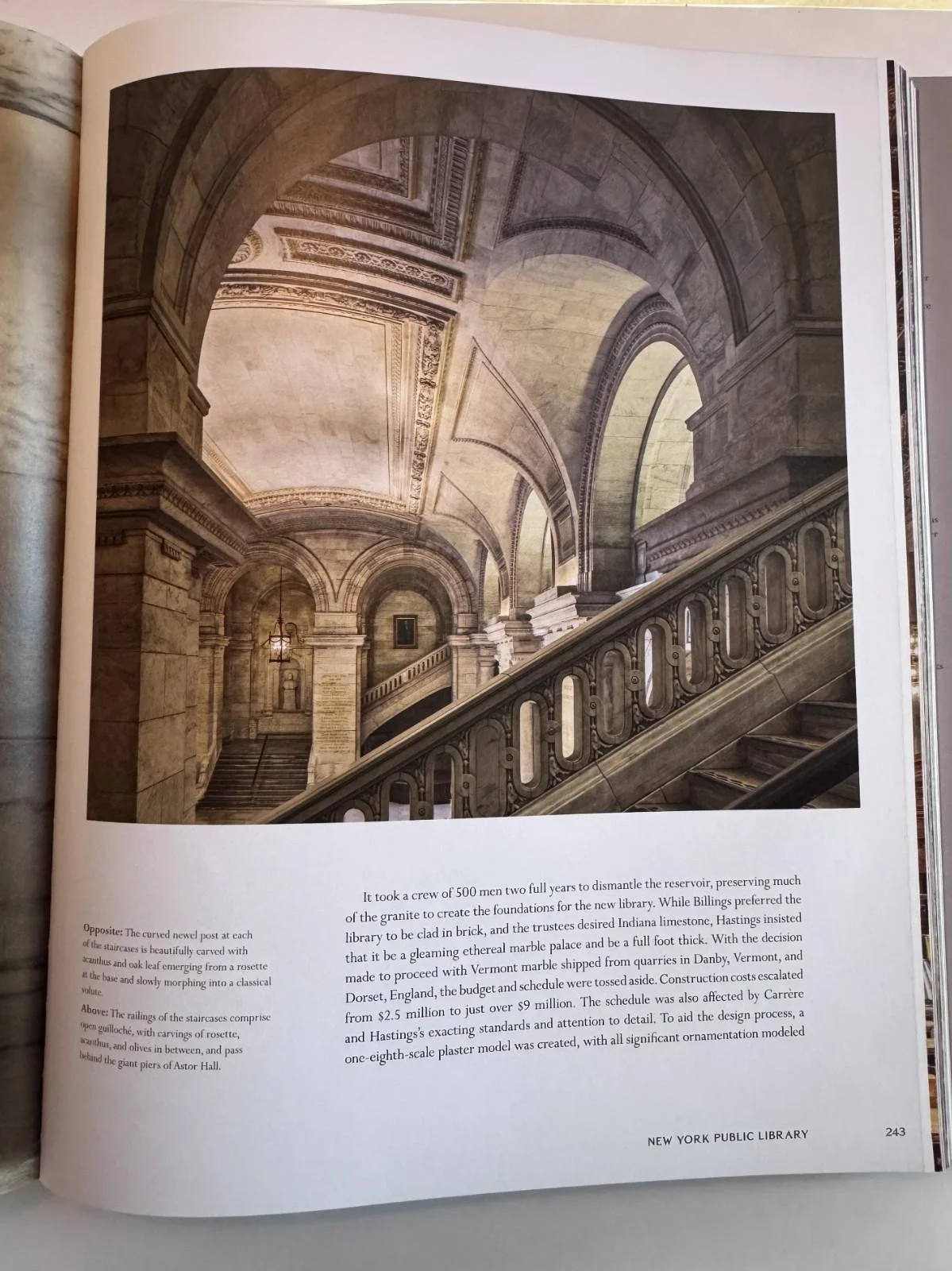 Image 11 of 15
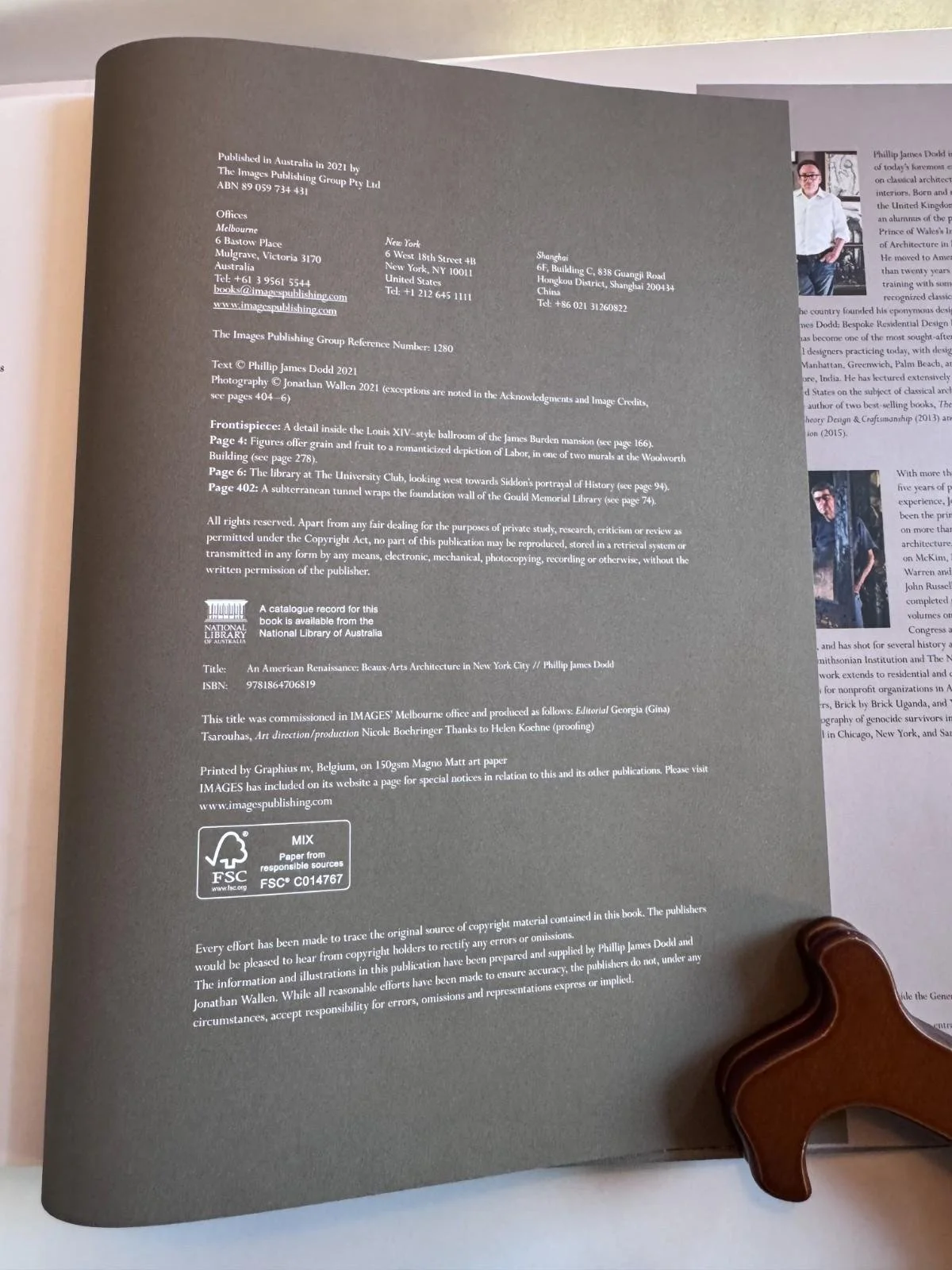 Image 12 of 15
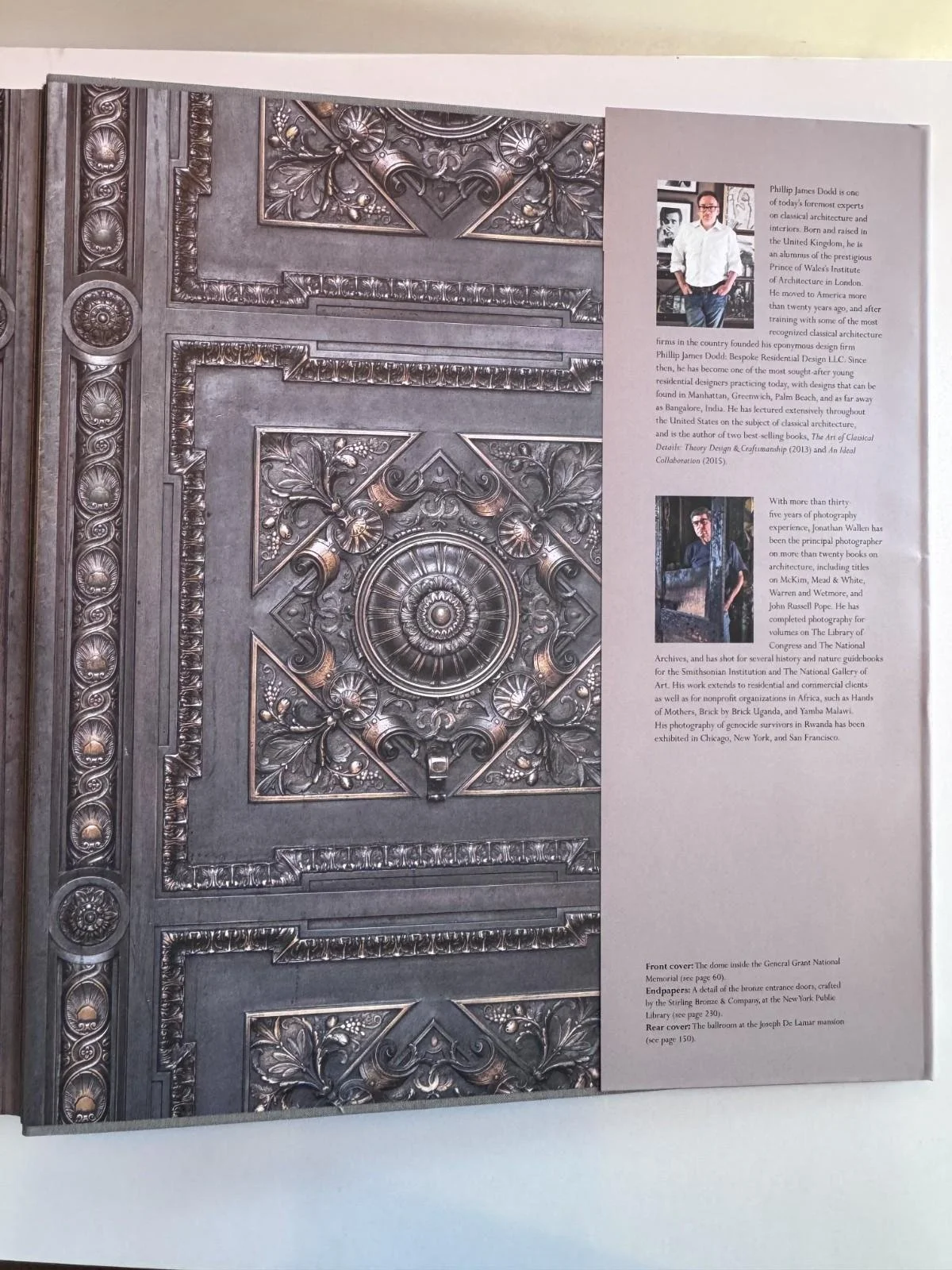 Image 13 of 15
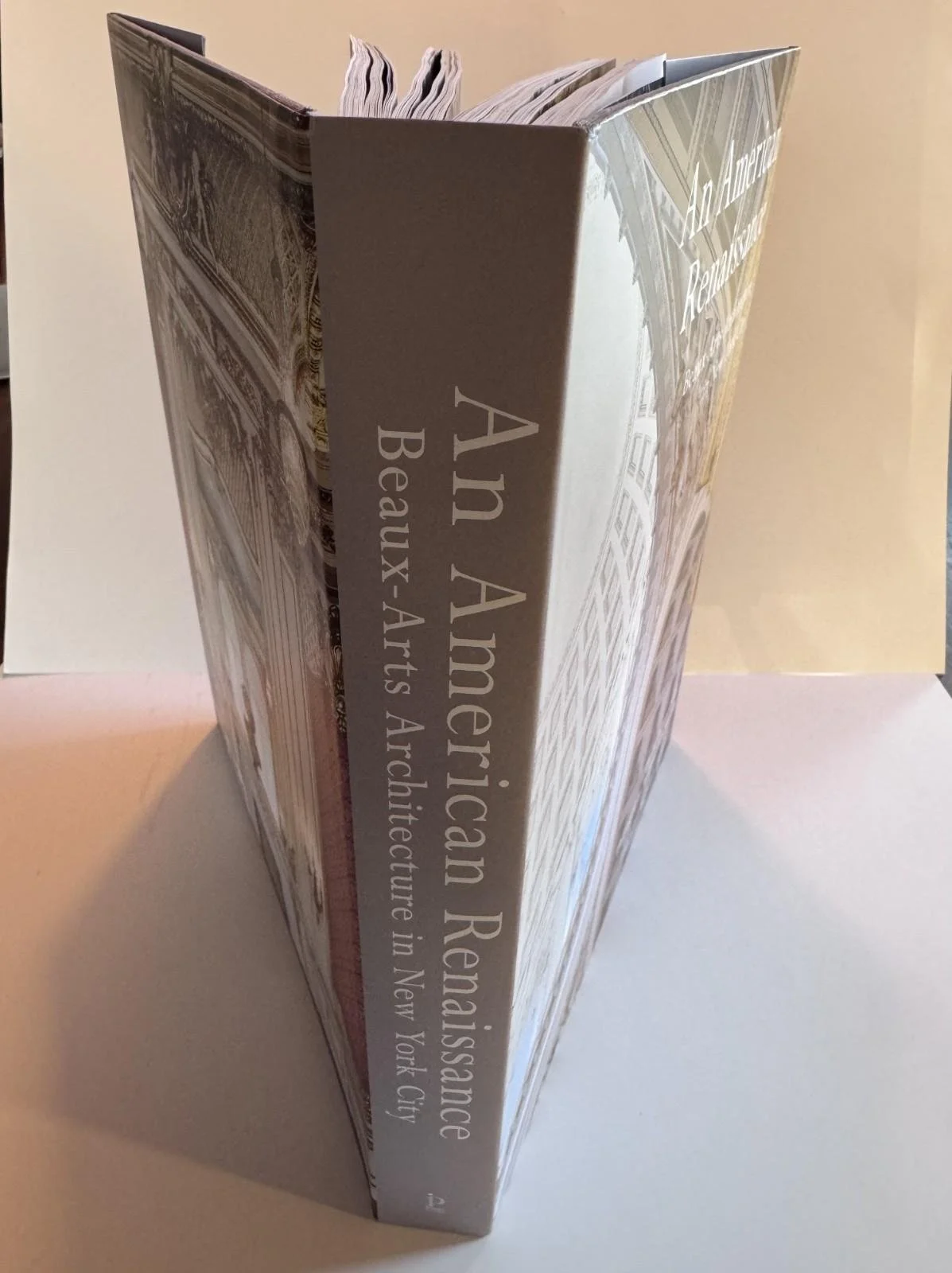 Image 14 of 15
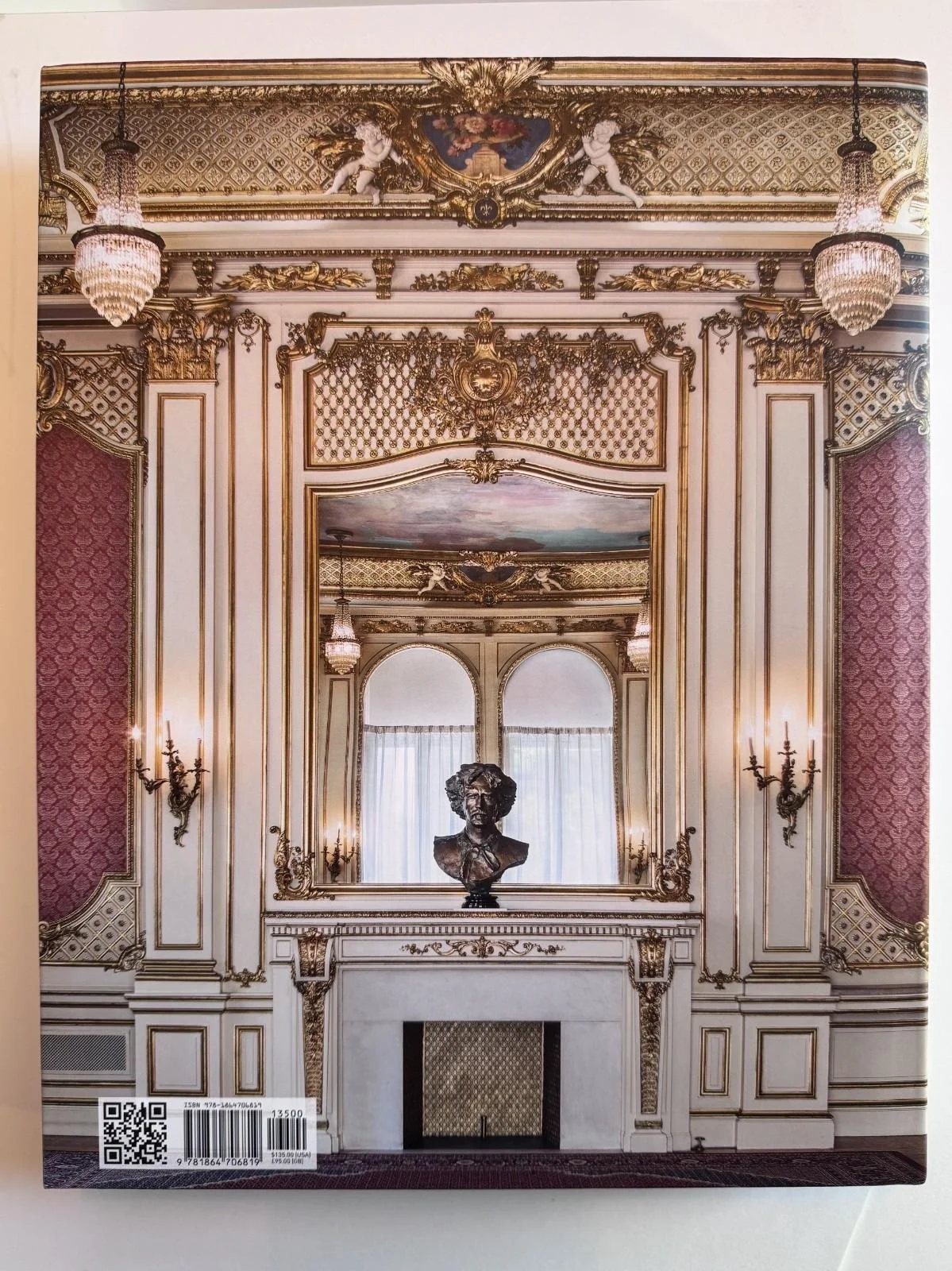 Image 15 of 15