Katsura: Imperial Villa
(2007, Softcover) is a comprehensive architectural monograph published by Electa Architecture (an imprint of Phaidon Press). This edition, primarily authored and edited by Pritzker Prize-winner Arata Isozaki, explores the 17th-century Katsura Imperial Palace in Kyoto, Japan, often cited as the "quintessence of Japanese taste."
The volume is organized to provide both historical context and modern debate, concluding with a section dedicated to the interpretations of the complex by 20th-century architects. It covers the villa's evolution, from its construction by Prince Toshihito to its status as a "historical example of modernity."
Key Features of the 2007 Edition
Format and Size: A "thick quarto" softcover (ISBN: 9781904313595) containing approximately 402 pages.
It features a wealth of newly commissioned color photography by Yoshiharu Matsumura, alongside detailed maps, scale drawings, and archival material.
The book examines why this traditional residence fascinated Western Modernist pillars like Le Corbusier and Walter Gropius, who viewed its modular, undecorated spaces as a historical precursor to Modernism.
Includes essays and interpretations from influential architects such as Bruno Taut, Kenzo Tange, and Francesco Dal Co.
Notable Praise
"A Must-Have Addition": Critics have labeled the Phaidon edition a essential volume for any library of art, design, or architecture, providing the "biography and amazing photography" the villa deserves.
"Sumptuous and Lavish": Reviews in Building Design described it as "beautifully designed and lavishly produced," specifically noting that the photography offers a "virtual guided tour" where one can almost "touch the magnificent bamboo fences."
"Indispensable Reference": Major architectural outlets like Architectural Record and Icon highlighted the work as an "indispensable reference" and a "stunningly beautiful portrait" that documents the complex with unprecedented detail.
"The Next Best Thing to Being There": Academic reviews have noted that while scholarly and complex, the book is "comprehensive and beautiful," serving as a profound substitute for a physical visit.

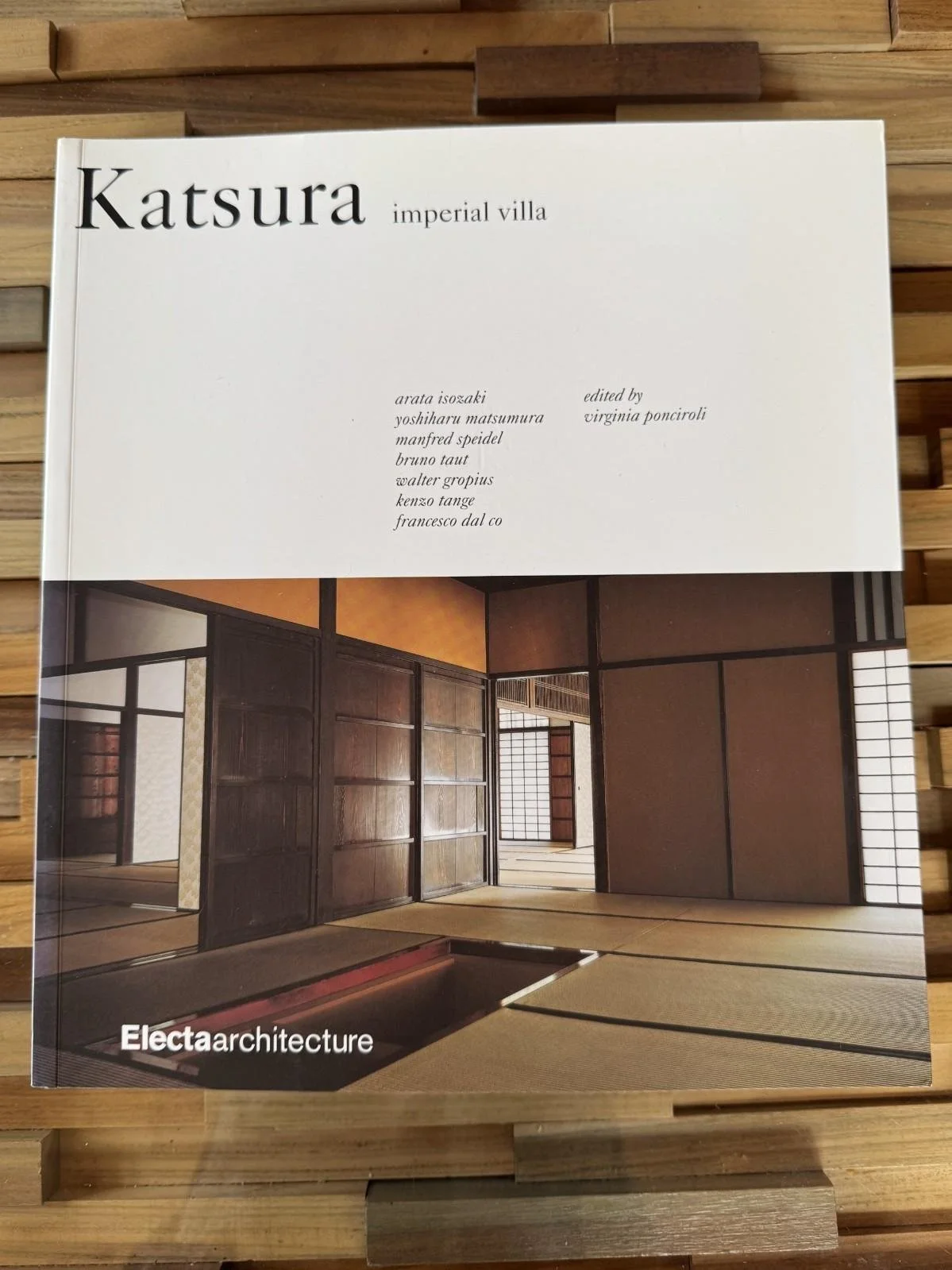 Image 1 of 10
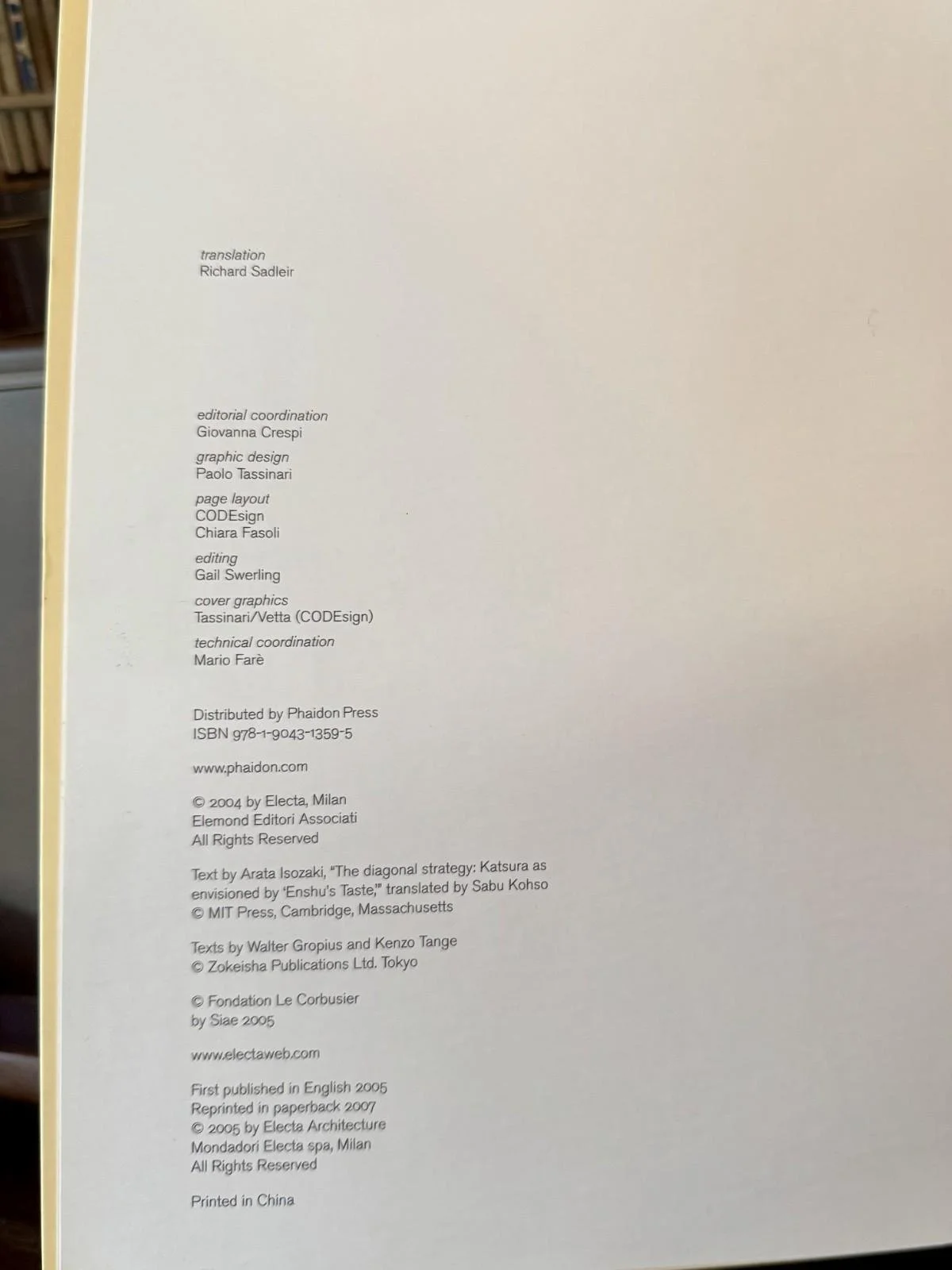 Image 2 of 10
 Image 3 of 10
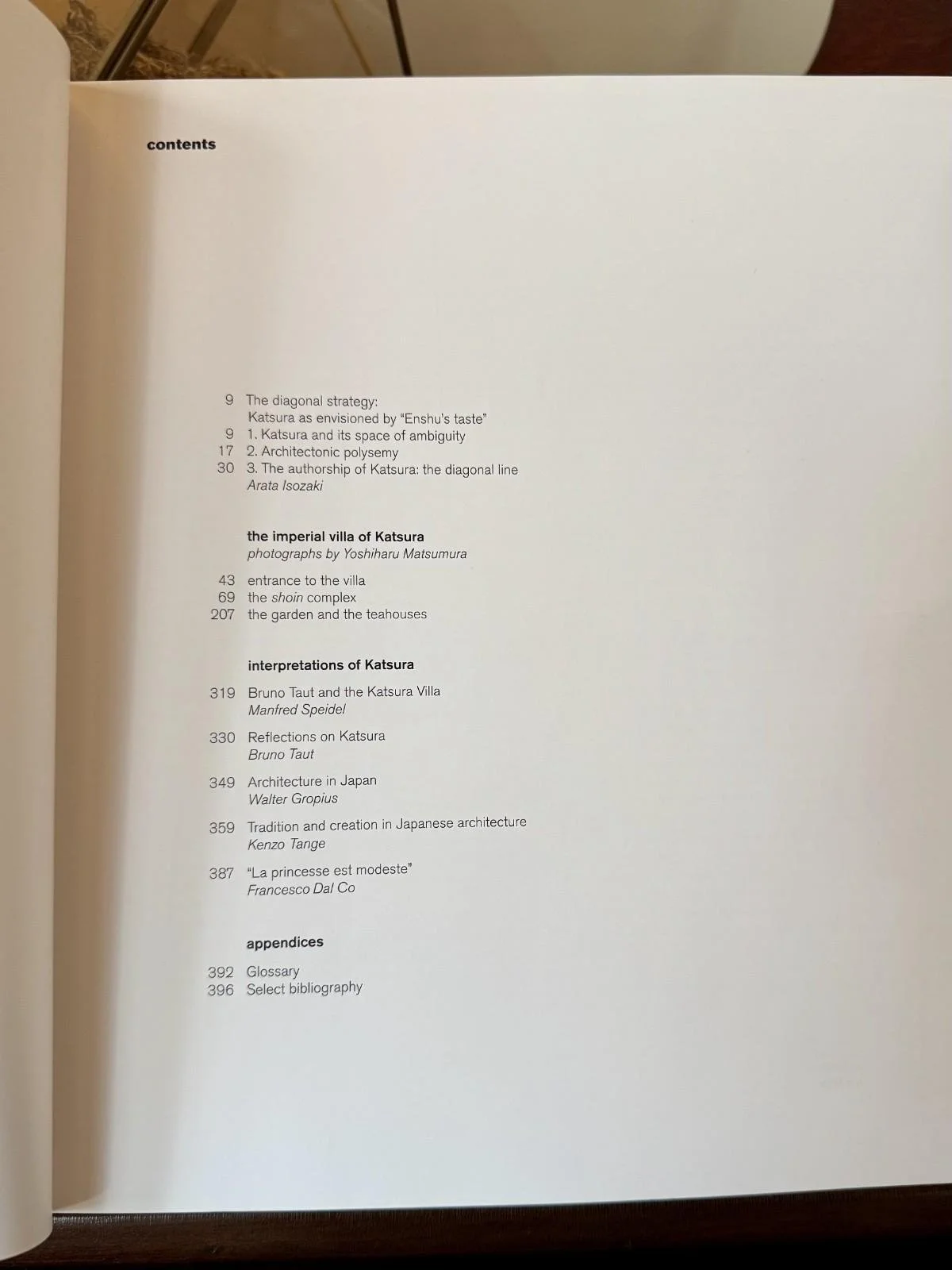 Image 4 of 10
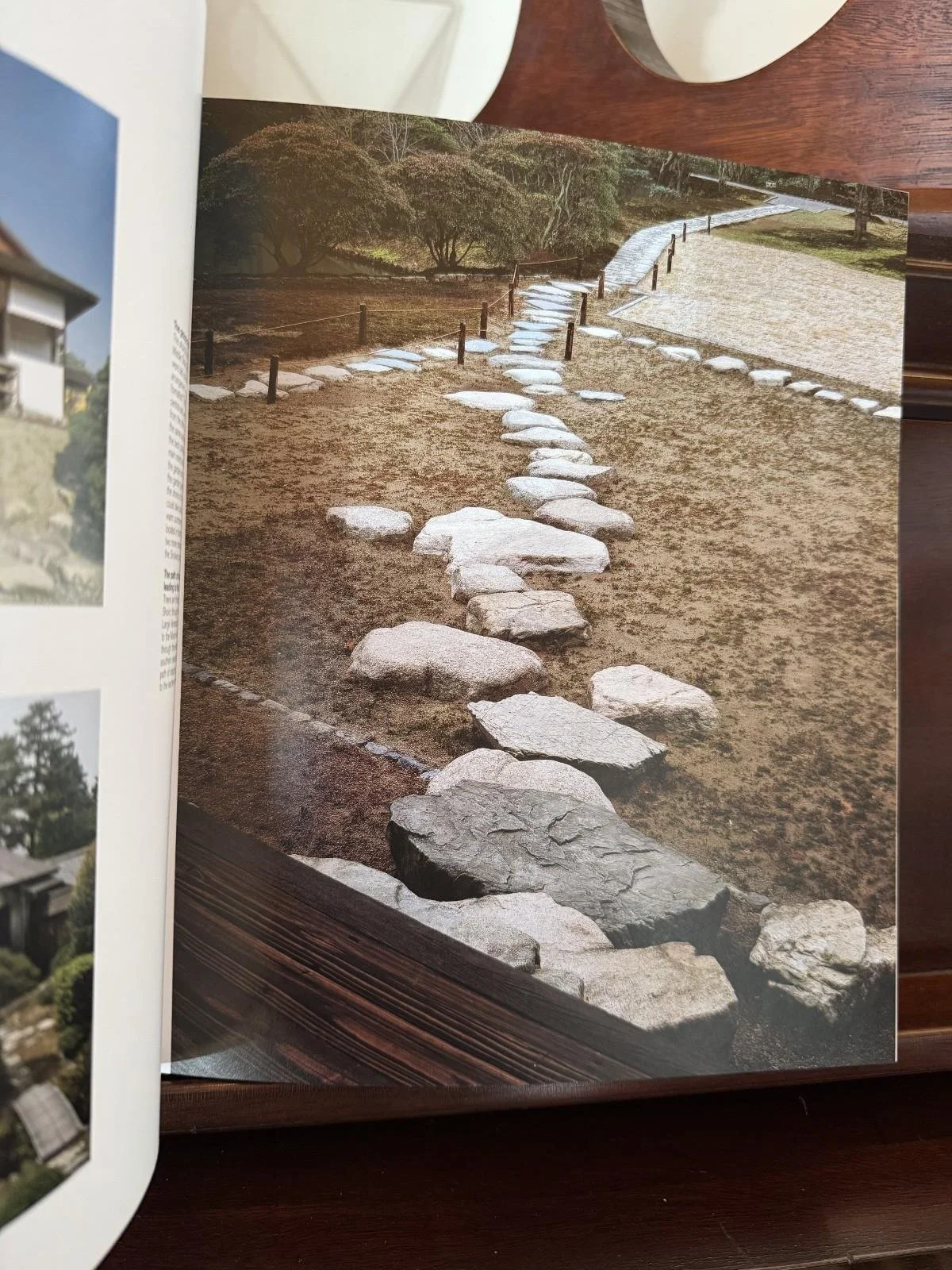 Image 5 of 10
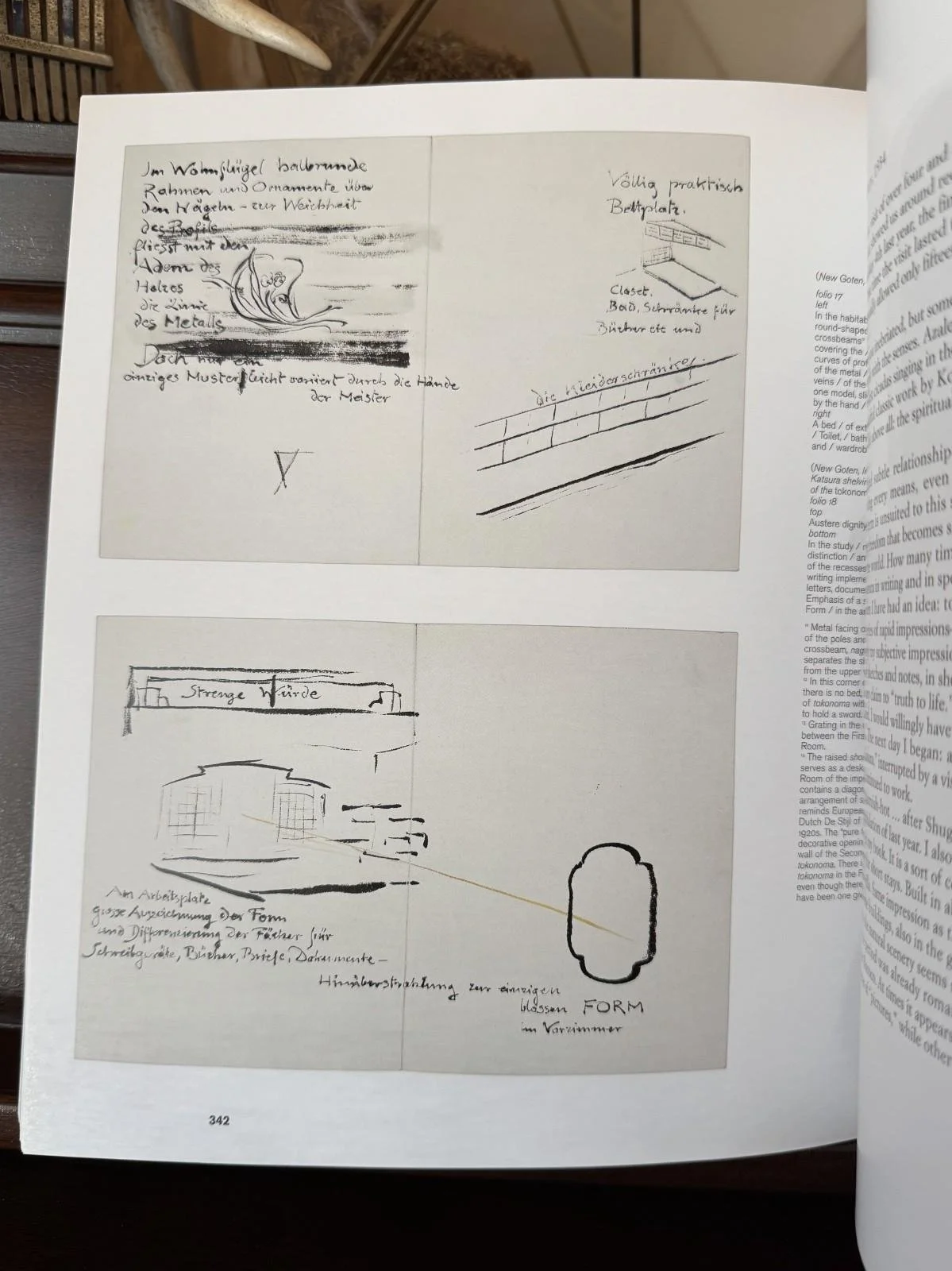 Image 6 of 10
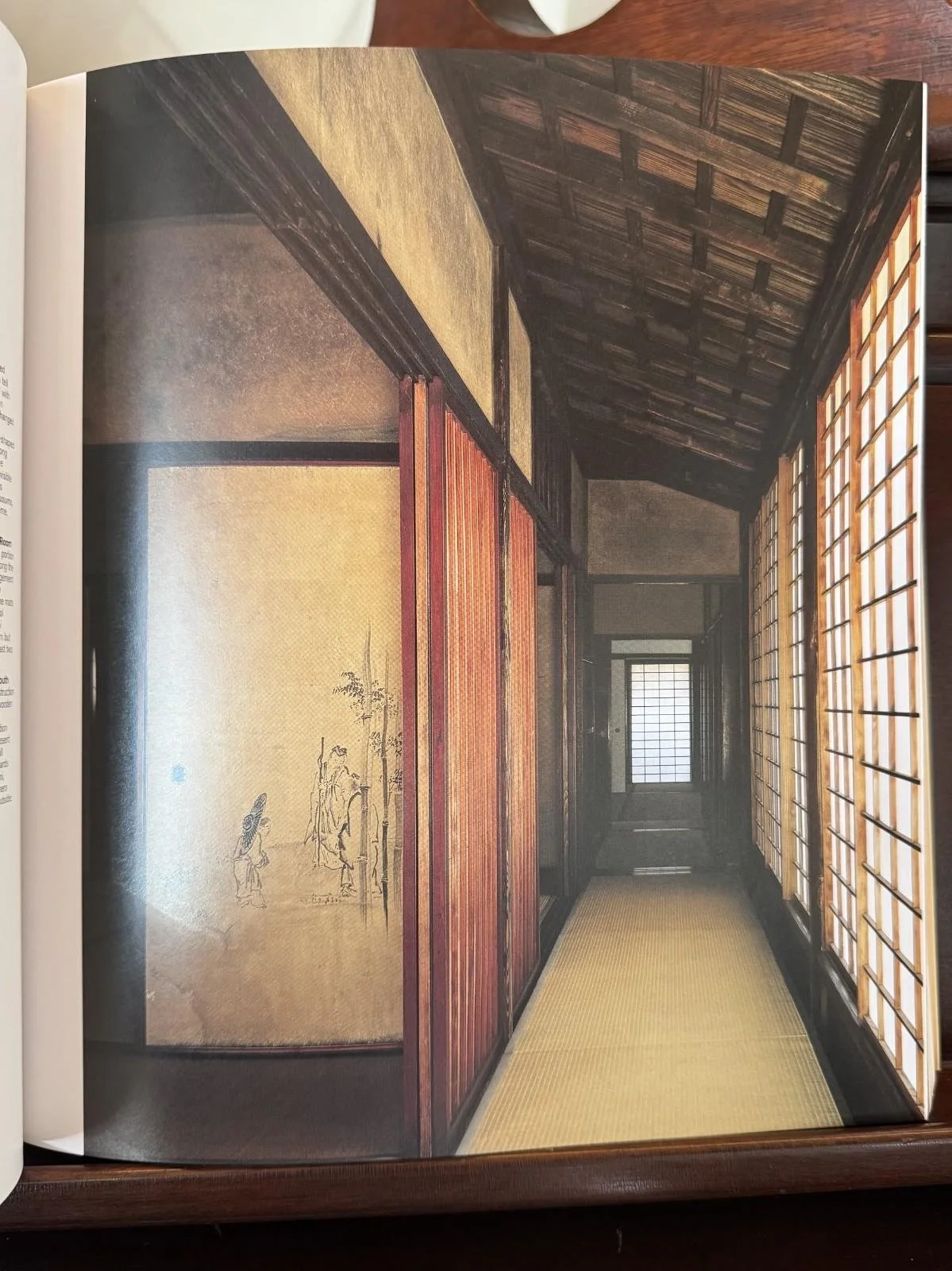 Image 7 of 10
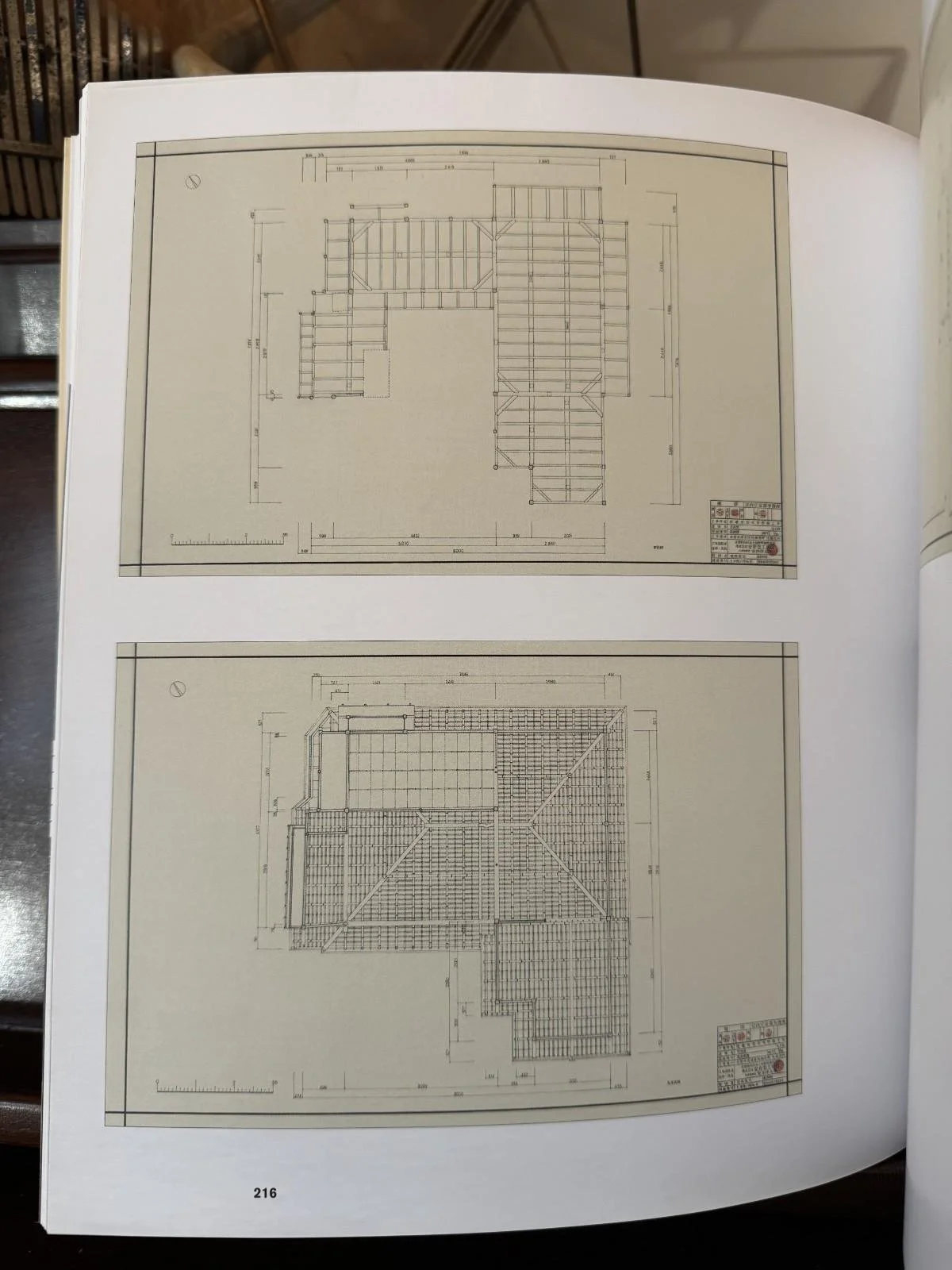 Image 8 of 10
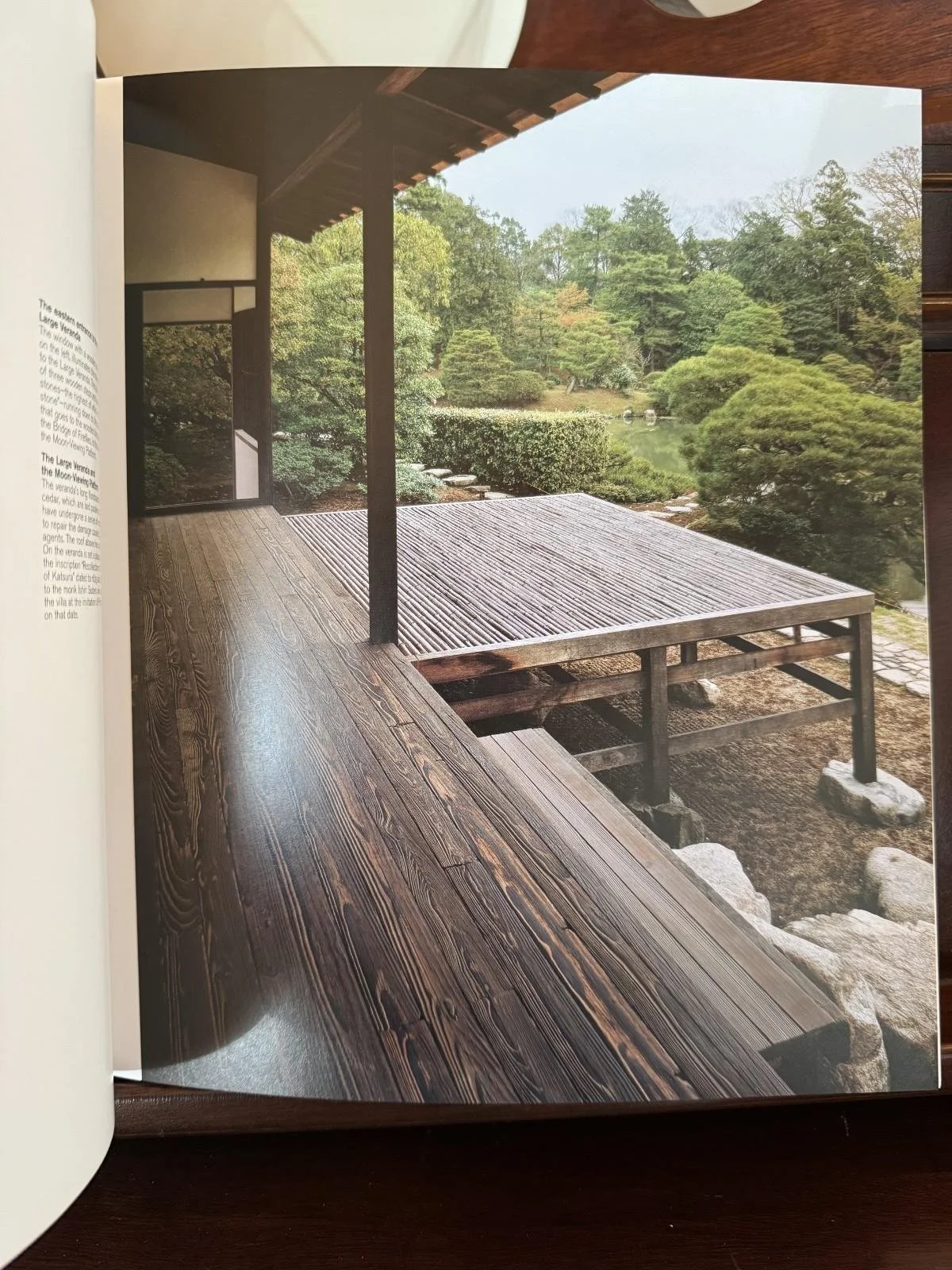 Image 9 of 10
 Image 10 of 10