Soviet Modernism 1955–1991: Unknown History, edited by Katharina Ritter et. al, is a 2012 book that documents the diverse and often overlooked modernist architecture of the non-Russian Soviet republics, challenging the perception of monolithic Soviet buildings. Published in conjunction with an exhibition by the Architekturzentrum Wien, the book is organized geographically (Baltic States, Eastern Europe, Caucasus, Central Asia) and features essays by local experts, research reports, and extensive photographs to highlight regional specificities and the unique architectural developments from the late 1950s to the end of the USSR. Engaging, well-written and organized, and ideal for those with or without expertise in this area of interest.
Key aspects of the book:
Focus: Explores the architecture of the 14 non-Russian Soviet republics (e.g., Armenia, Ukraine, Kazakhstan, Latvia) to provide a more comprehensive view beyond Russian-centric narratives.
Content: Includes historical overviews, research reports, scholarly essays, and a catalogue of over 400 buildings with more than 800 images.
Structure: Divided into four geographical chapters, with each country receiving a factsheet detailing its history, research, and local expert analysis.
Goal: To correct the common view of Soviet architecture as purely utilitarian and to document buildings that are rapidly decaying due to poor construction and lack of conservation funding.
Collaboration: A result of a major research project by the Architekturzentrum Wien, involving a network of researchers from East and West.

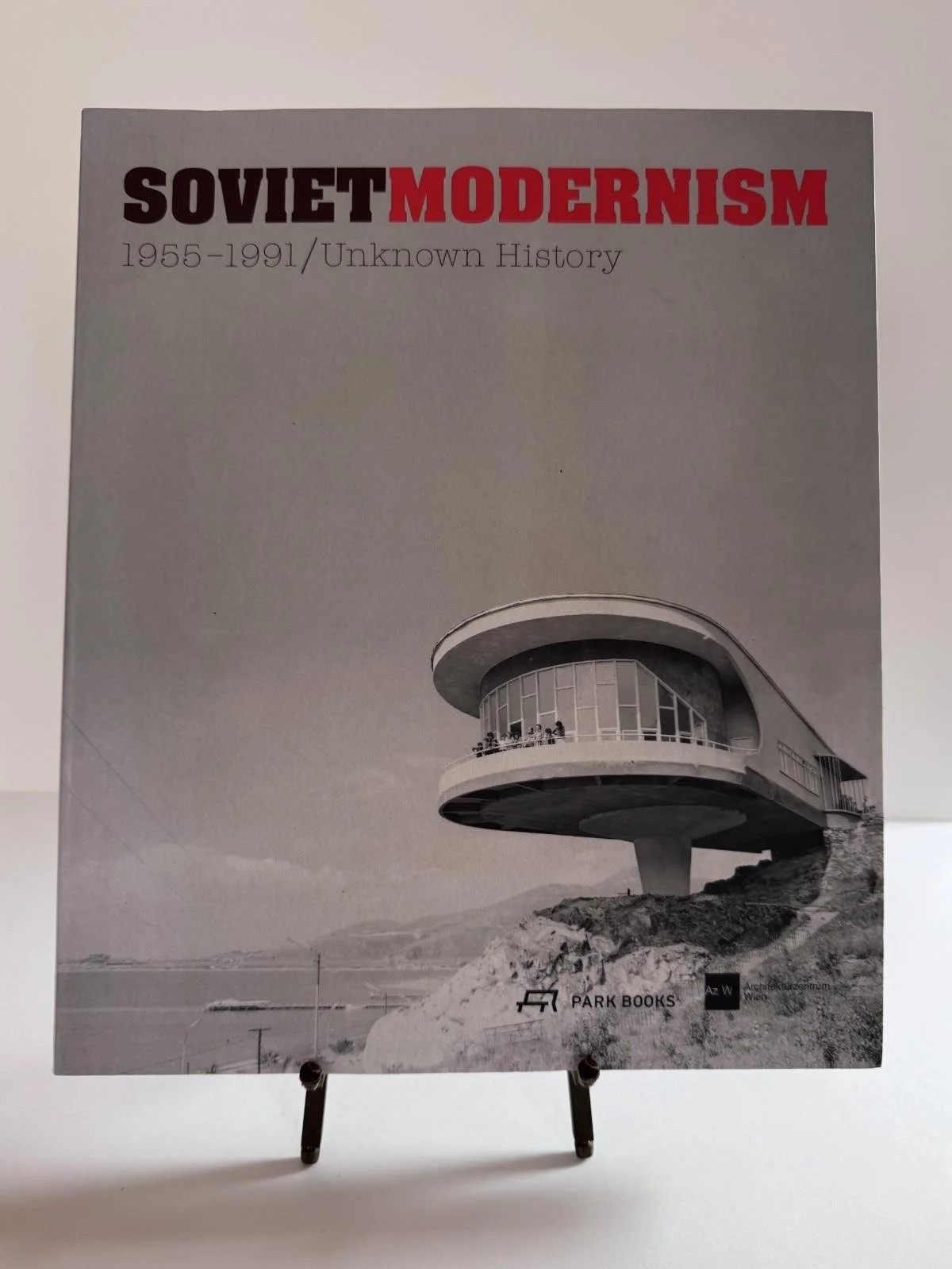 Image 1 of 13
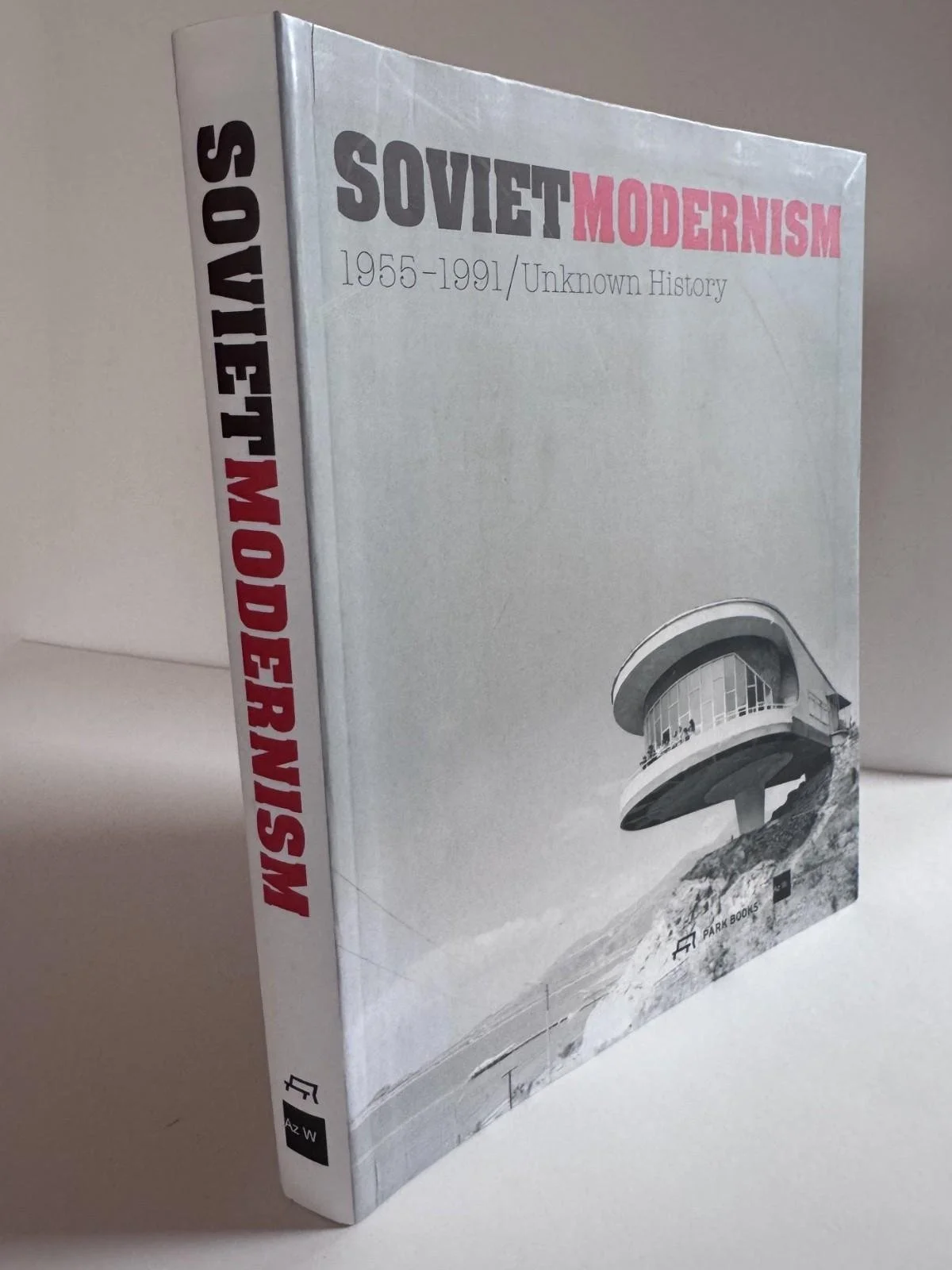 Image 2 of 13
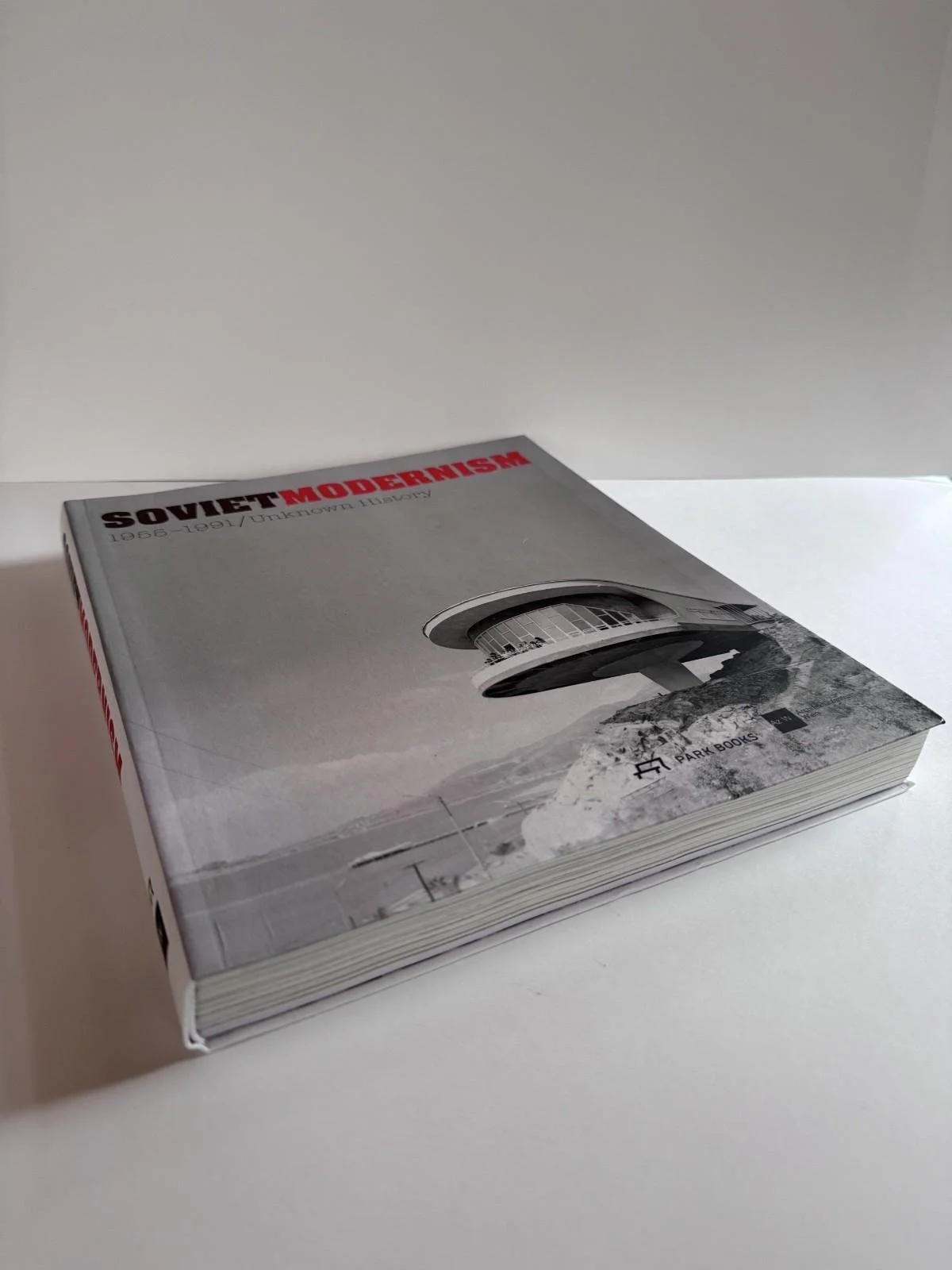 Image 3 of 13
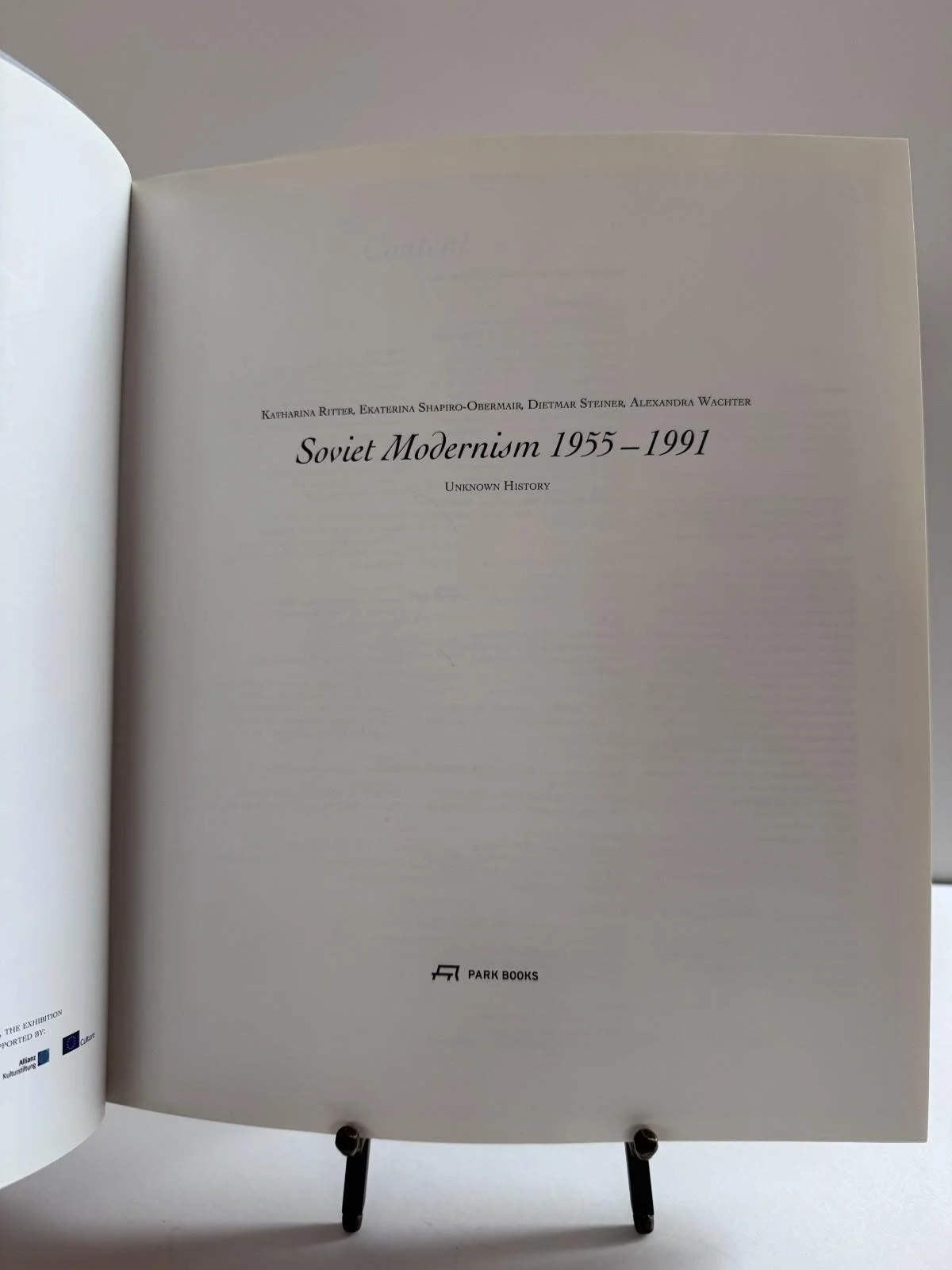 Image 4 of 13
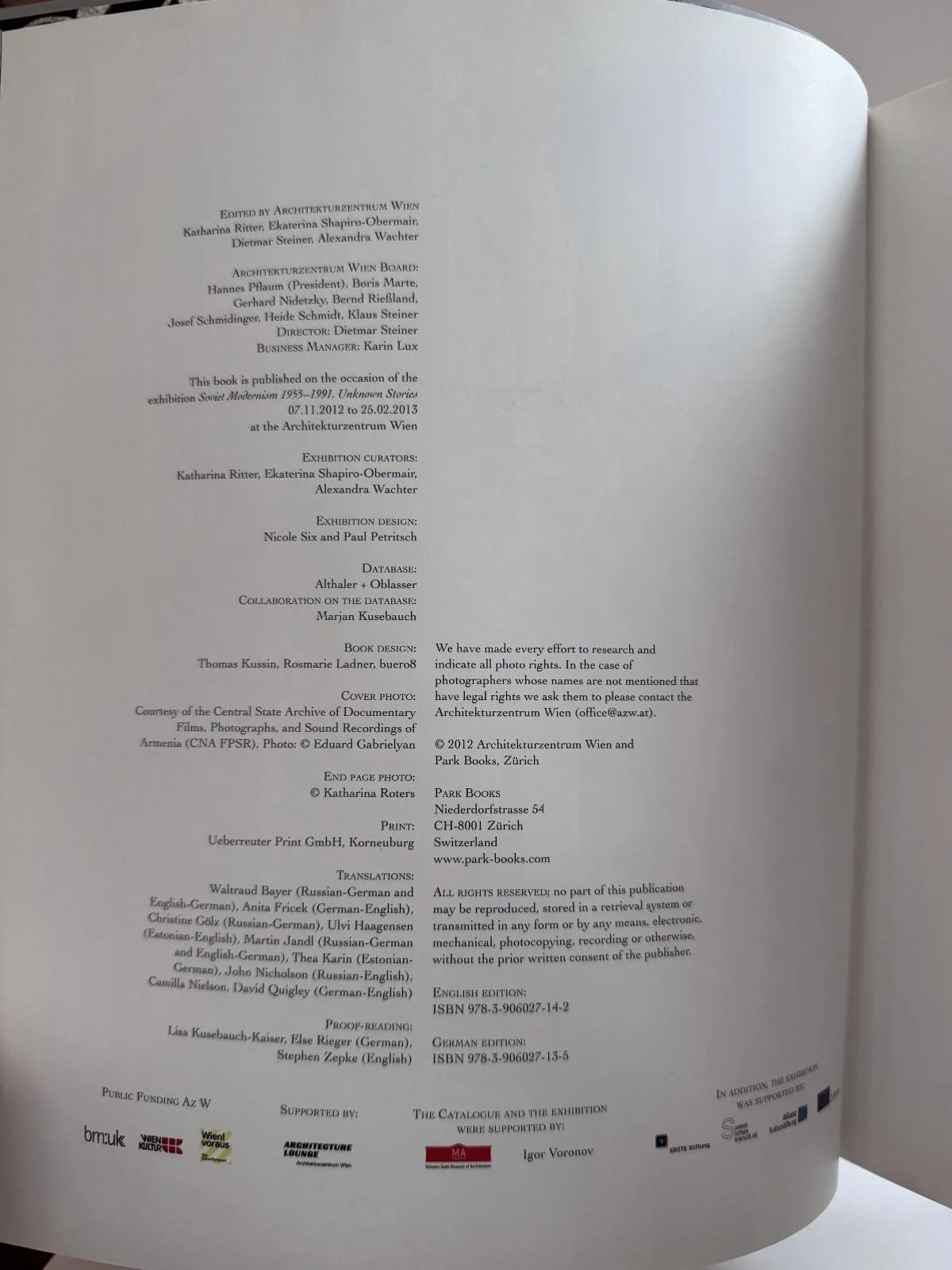 Image 5 of 13
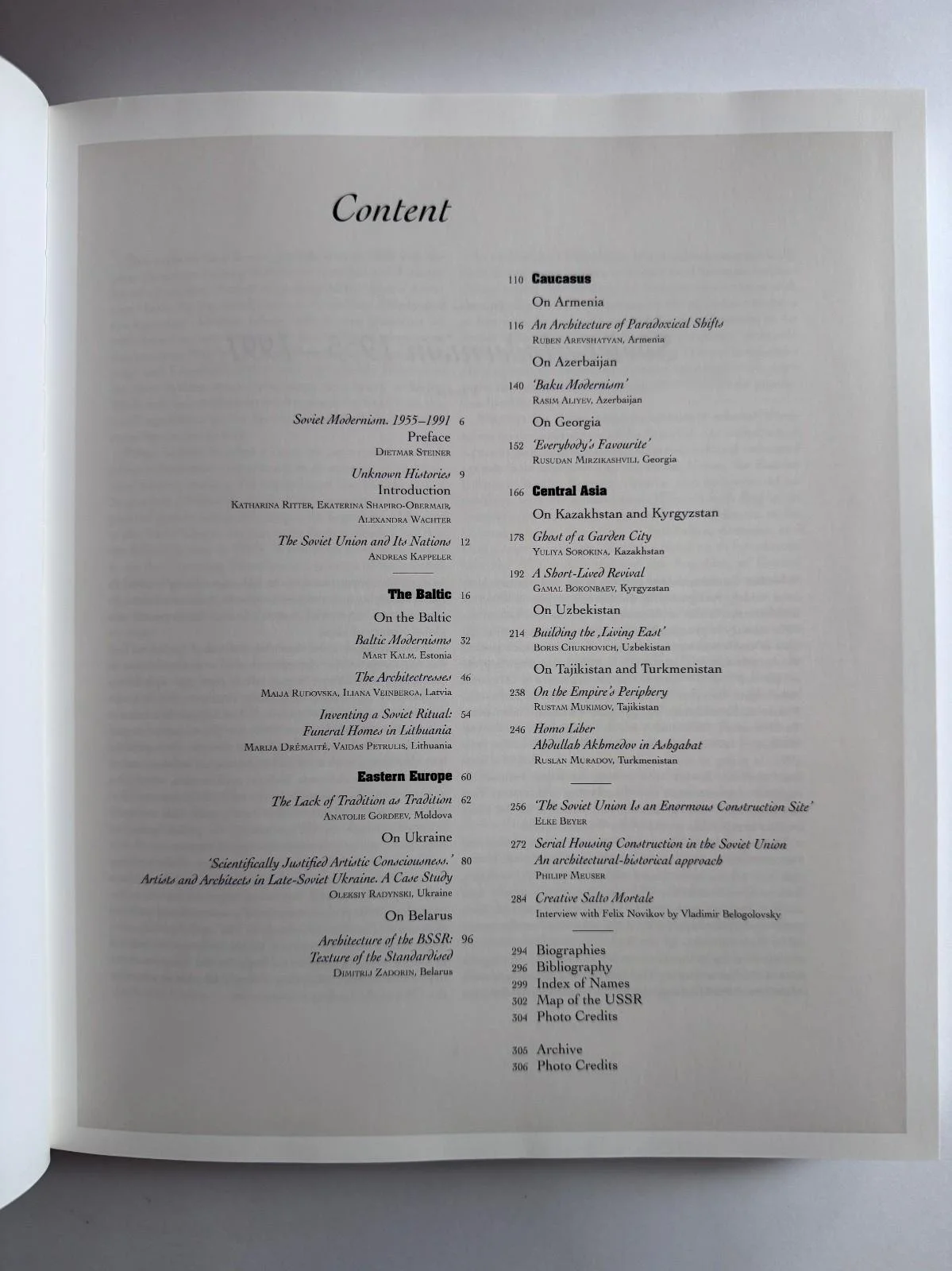 Image 6 of 13
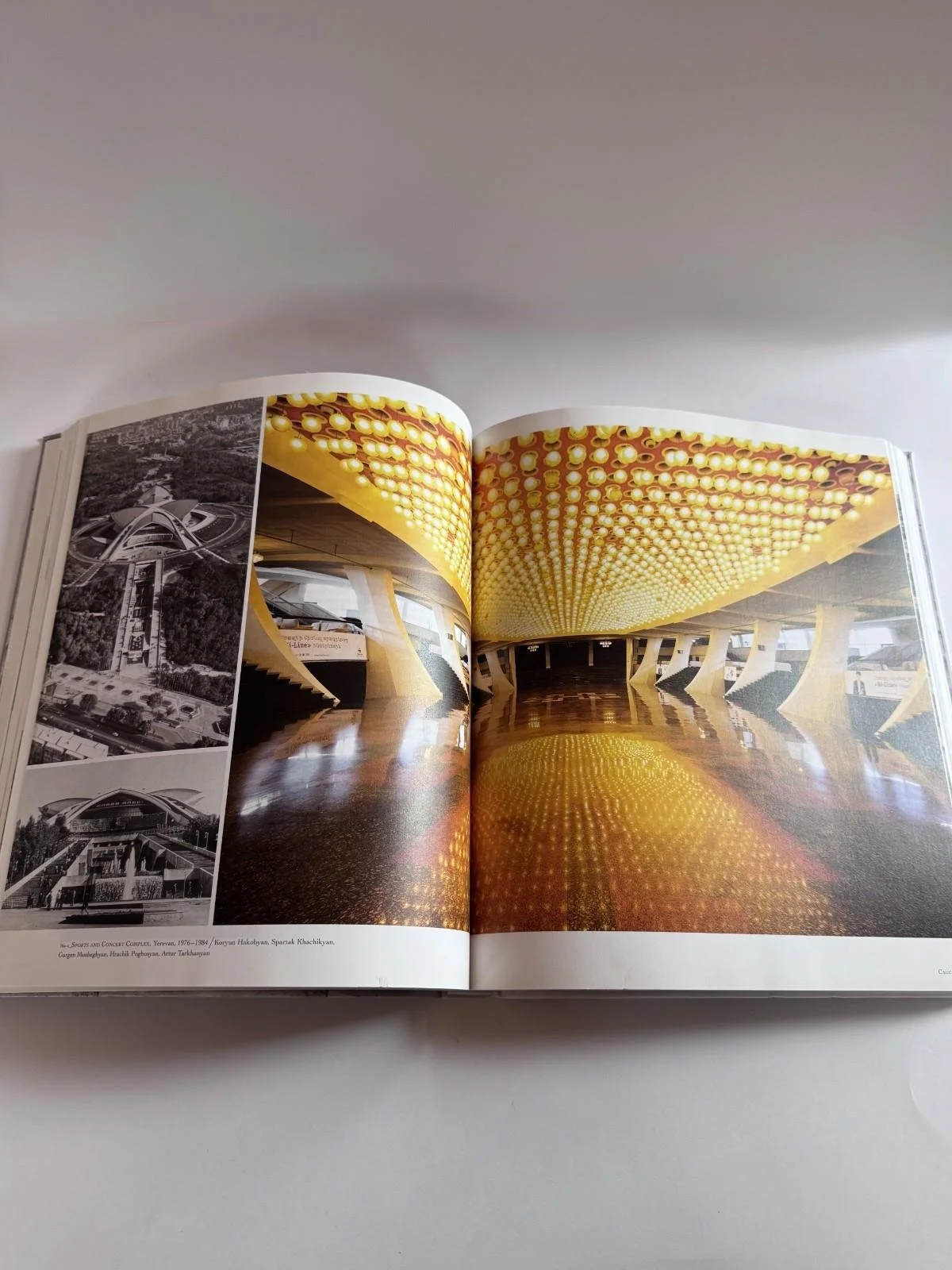 Image 7 of 13
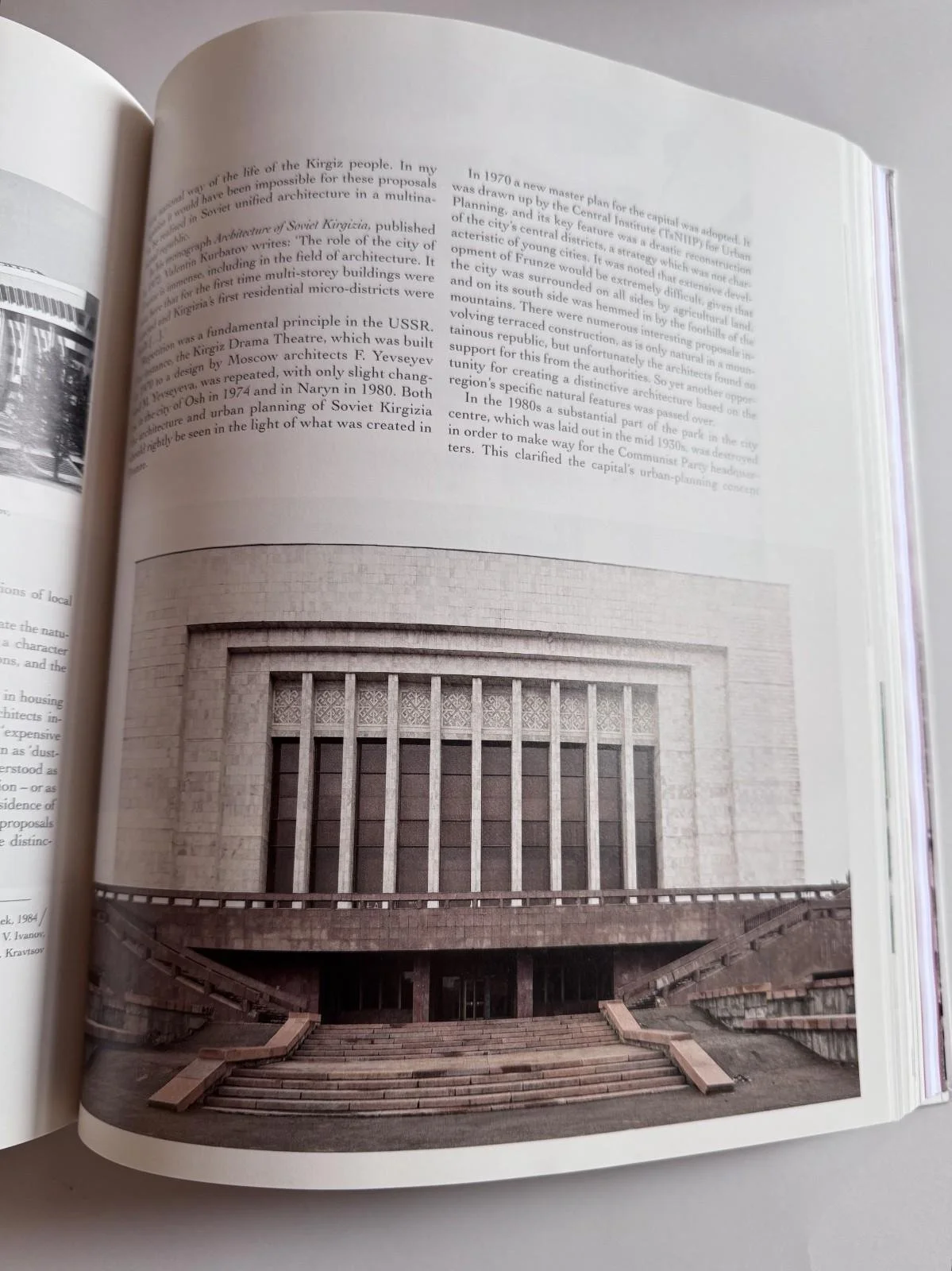 Image 8 of 13
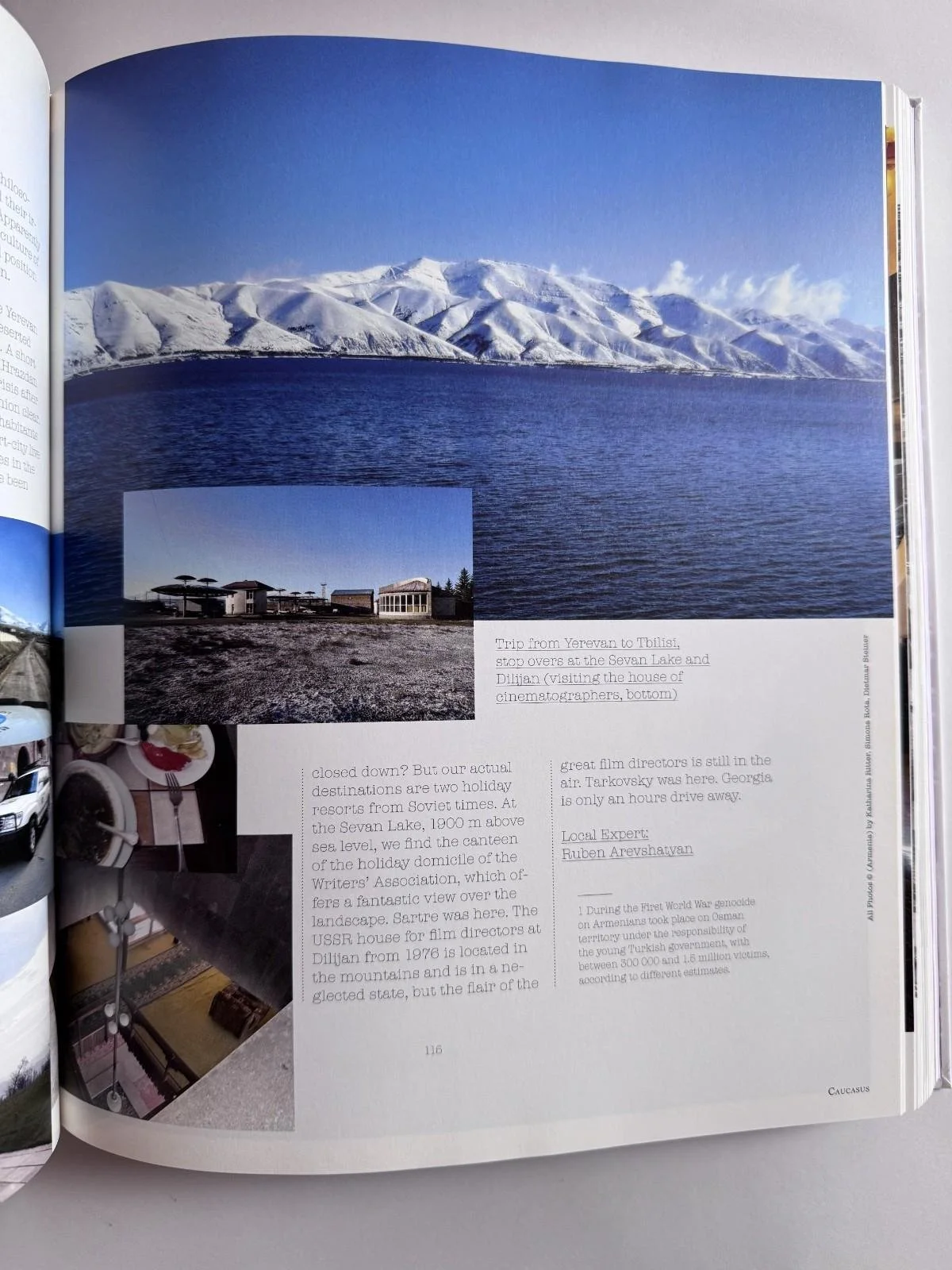 Image 9 of 13
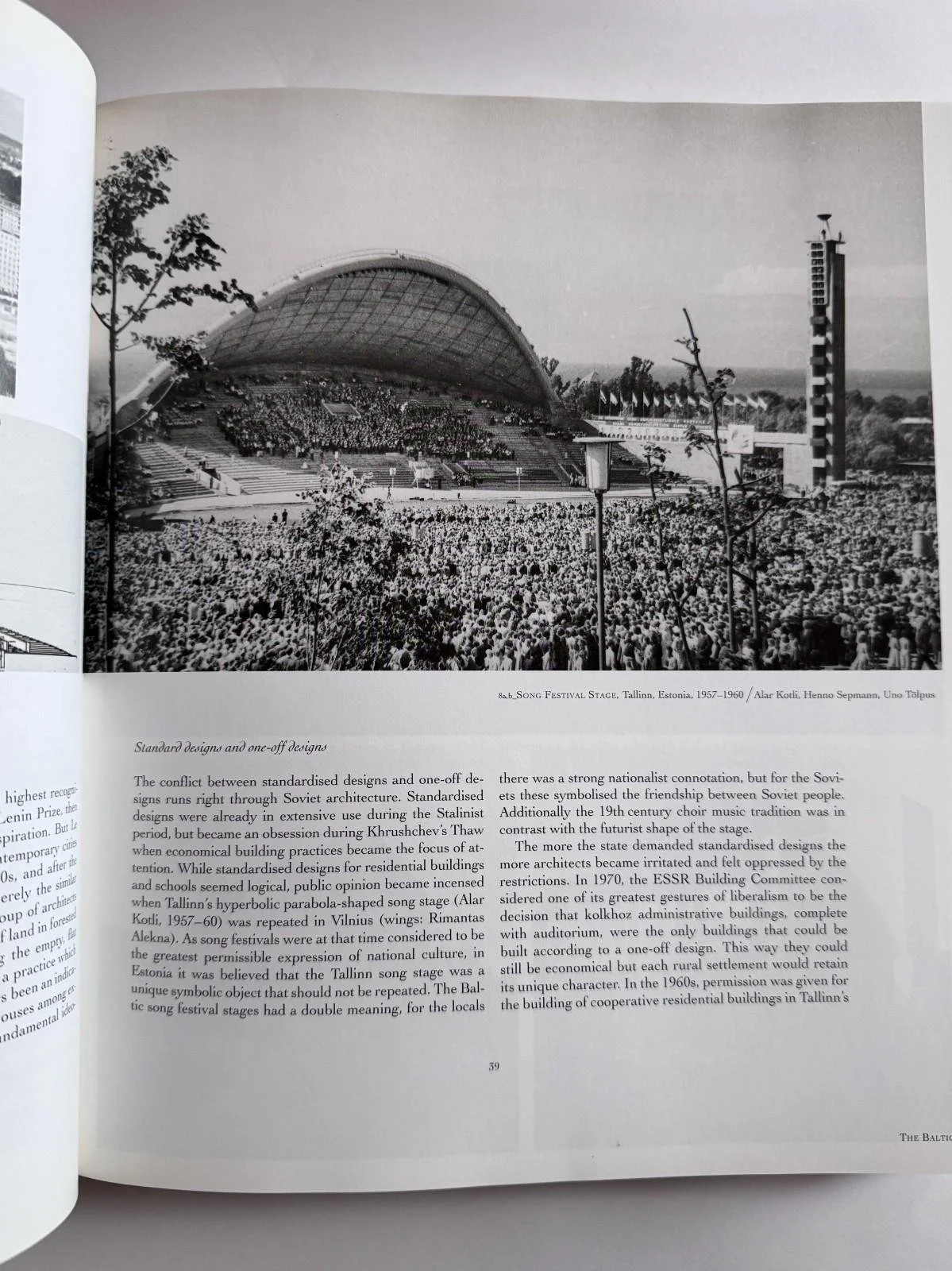 Image 10 of 13
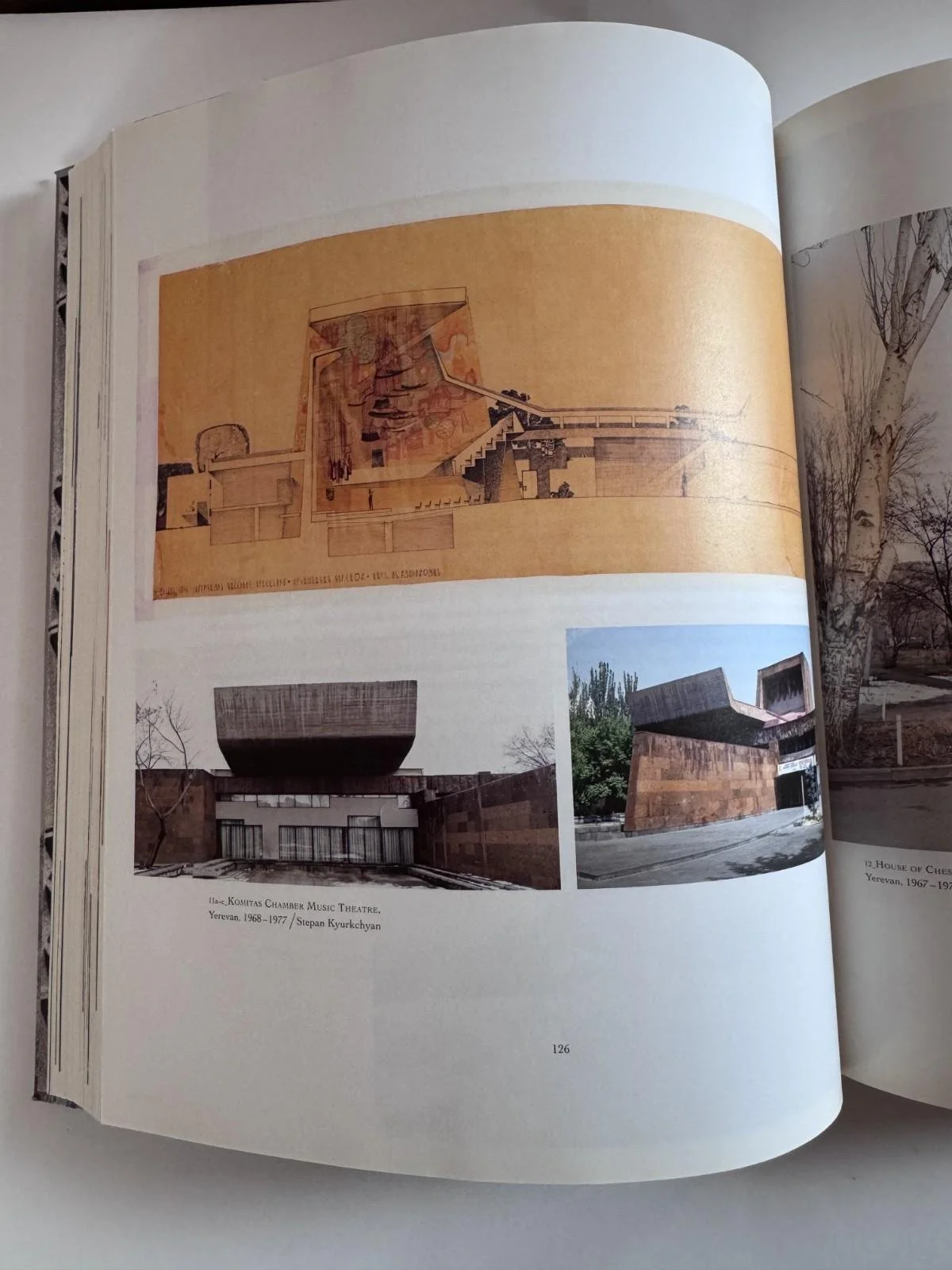 Image 11 of 13
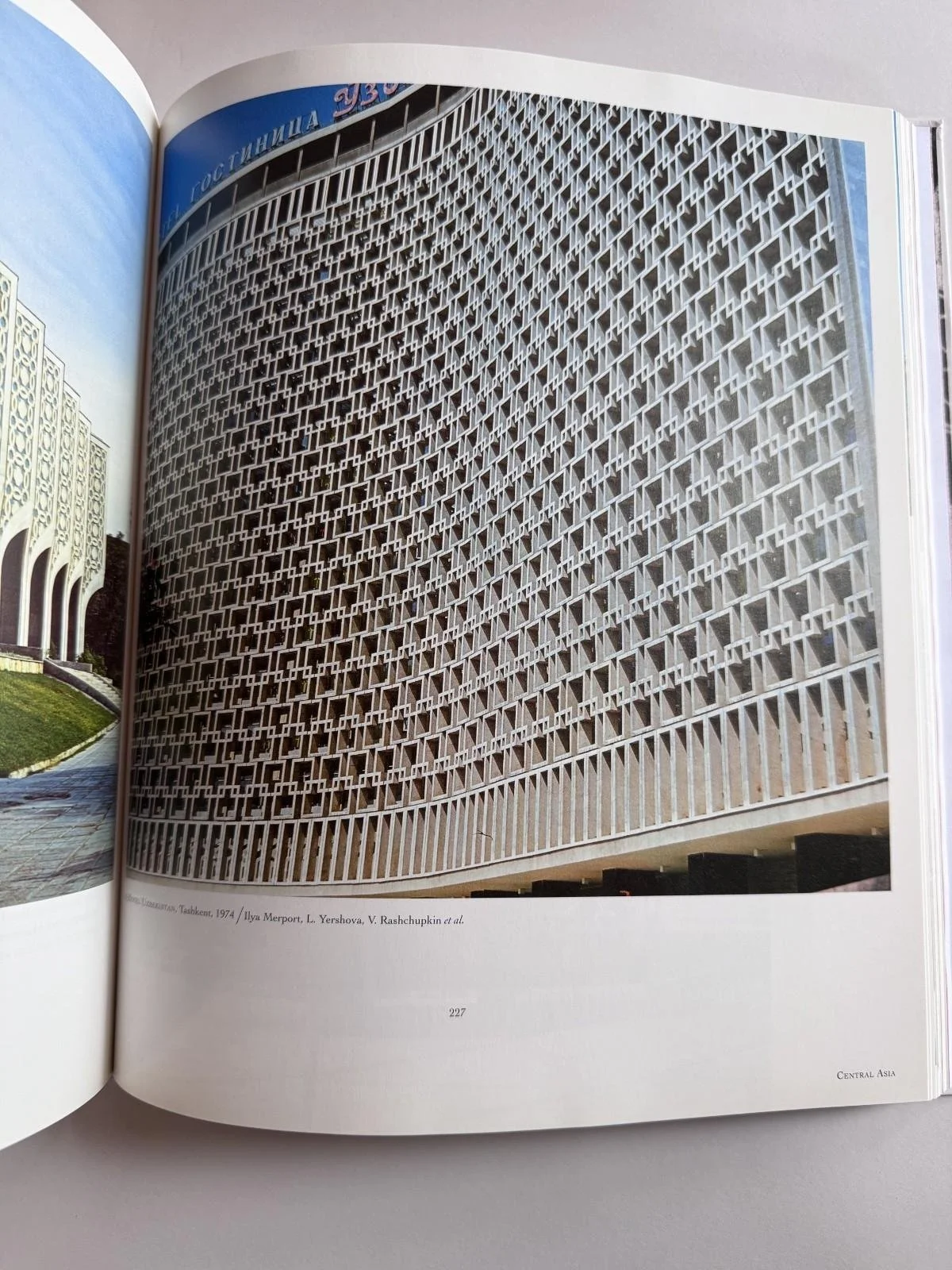 Image 12 of 13
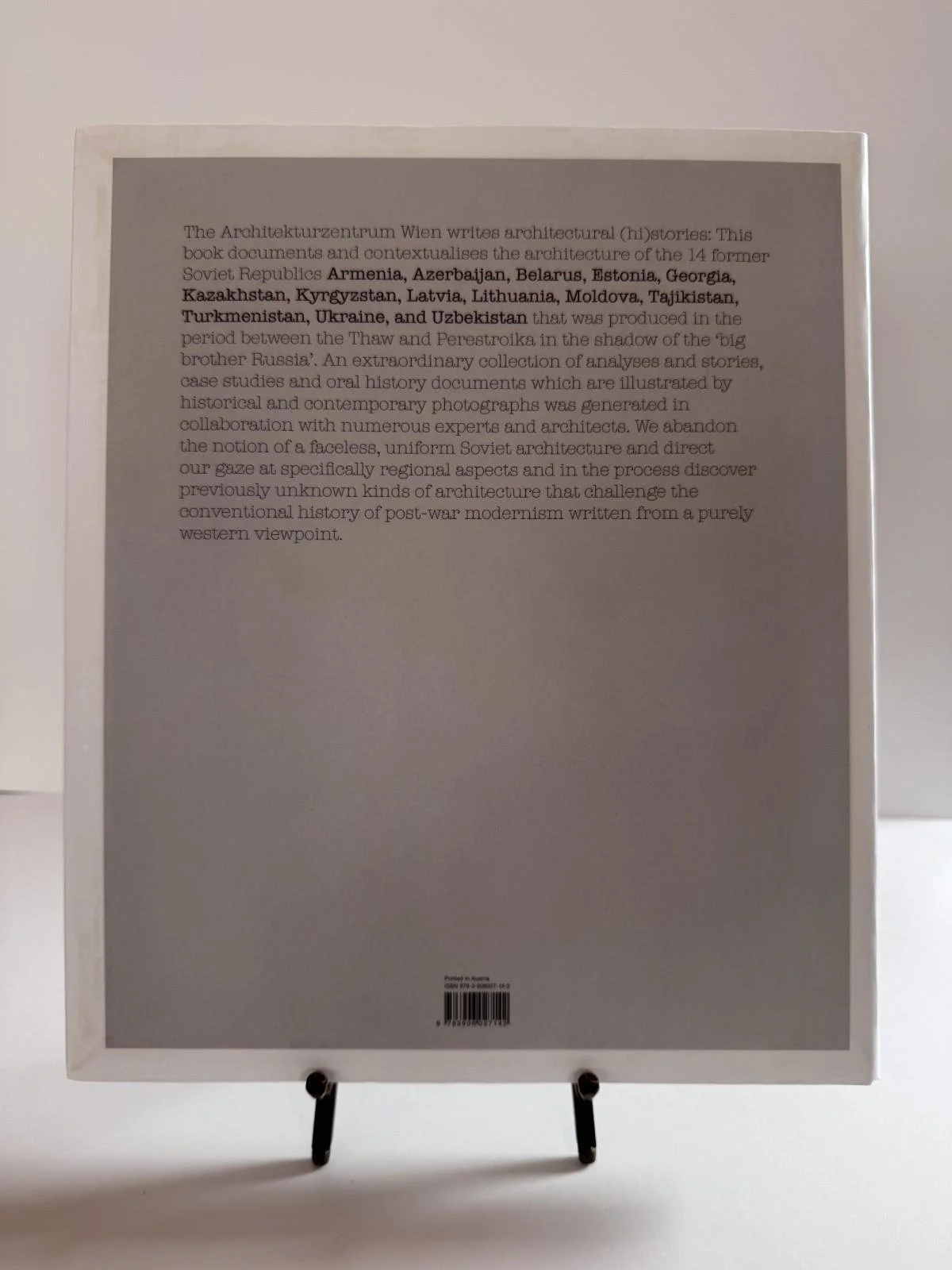 Image 13 of 13