Victoria Woodhull and her sister, Tennessee Claflin were two of the most interesting personalities of the 19th century. Advocates for women's rights, women's suffrage, free love, and labor reform, the sisters originally made their mark as the first female stockbrokers on Wall Street. Victoria was also the first woman to take a run at the White House (with Frederick Douglass as her vice president). Although they were curiosities often mocked by the papers, Woodhull and Claflin made their clients—including Cornelius Vanderbilt—millions in the stock market. They used their personal earning to found a progressive weekly newspaper that promoted their views. It was also instrumental in advertising Woodhull's bid to become President of the United States. Shortly before the election, however, the paper ran into trouble when it reported on an affair between
Elizabeth Tilton and Reverend Henry Ward Beecher, the progressive Protestant minister who had hypocritically condemned free love. Woodhull, her then-husband, and her sister were all thrown into jail on obscenity charges. They were acquitted, but Woodhull was soundly trounced in the election. Soon after, Woodhull left for England after she and her sister were paid by William Henry Vanderbilt to leave the country to prevent them from interfering in the distribution of his father's will.
"The Human Body; The Temple of God" was part of Woodhull's repertoire of public lectures. Originally delivered in America, Woodhull deemed the speech equally suitable for British audiences and began delivering it nationwide when she arrived in England in 1877. While the name of the lecture was scandalous, at least for the Victorian era, the contents were much less so. Woodhull offered a "conservative lecture on physical hygiene and religion. She advised… mothers to inform their children about sex" (Meade,
Free Woman: The Life and Times of Victoria Woodhull
). Nevertheless, Woodhull's heavily advertised speech was regarded as progressive and those who attended her lecture left satisfied. The press, in particular, noted her impressive skills as an orator. That lecture, along with other essays focused on women's rights and politics and press notices, was published in this 1890 first edition. Woodhull became more conservative over time, embracing Christianity and condemning many of her former positions.
"I shall not change my course because those who assume to be better than I desire it. Why is a woman to be treated differently? Woman suffrage will succeed, despite this miserable guerilla opposition. While others prayed for the good time coming, I worked for it."
Victoria Woodhull and her sister, Tennessee Claflin were two of the most interesting personalities of the 19th century. Advocates for women's rights, women's suffrage, free love, and labor reform, the sisters originally made their mark as the first female stockbrokers on Wall Street. Victoria was also the first woman to take a run at the White House (with Frederick Douglass as her vice president). Although they were curiosities often mocked by the papers, Woodhull and Claflin made their clients—including Cornelius Vanderbilt—millions in the stock market. They used their personal earning to found a progressive weekly newspaper that promoted their views. It was also instrumental in advertising Woodhull's bid to become President of the United States. Shortly before the election, however, the paper ran into trouble when it reported on an affair between
Elizabeth Tilton and Reverend Henry Ward Beecher, the progressive Protestant minister who had hypocritically condemned free love. Woodhull, her then-husband, and her sister were all thrown into jail on obscenity charges. They were acquitted, but Woodhull was soundly trounced in the election. Soon after, Woodhull left for England after she and her sister were paid by William Henry Vanderbilt to leave the country to prevent them from interfering in the distribution of his father's will.
"The Human Body; The Temple of God" was part of Woodhull's repertoire of public lectures. Originally delivered in America, Woodhull deemed the speech equally suitable for British audiences and began delivering it nationwide when she arrived in England in 1877. While the name of the lecture was scandalous, at least for the Victorian era, the contents were much less so. Woodhull offered a "conservative lecture on physical hygiene and religion. She advised… mothers to inform their children about sex" (Meade,
Free Woman: The Life and Times of Victoria Woodhull
). Nevertheless, Woodhull's heavily advertised speech was regarded as progressive and those who attended her lecture left satisfied. The press, in particular, noted her impressive skills as an orator. That lecture, along with other essays focused on women's rights and politics and press notices, was published in this 1890 first edition. Woodhull became more conservative over time, embracing Christianity and condemning many of her former positions.
"I shall not change my course because those who assume to be better than I desire it. Why is a woman to be treated differently? Woman suffrage will succeed, despite this miserable guerilla opposition. While others prayed for the good time coming, I worked for it."

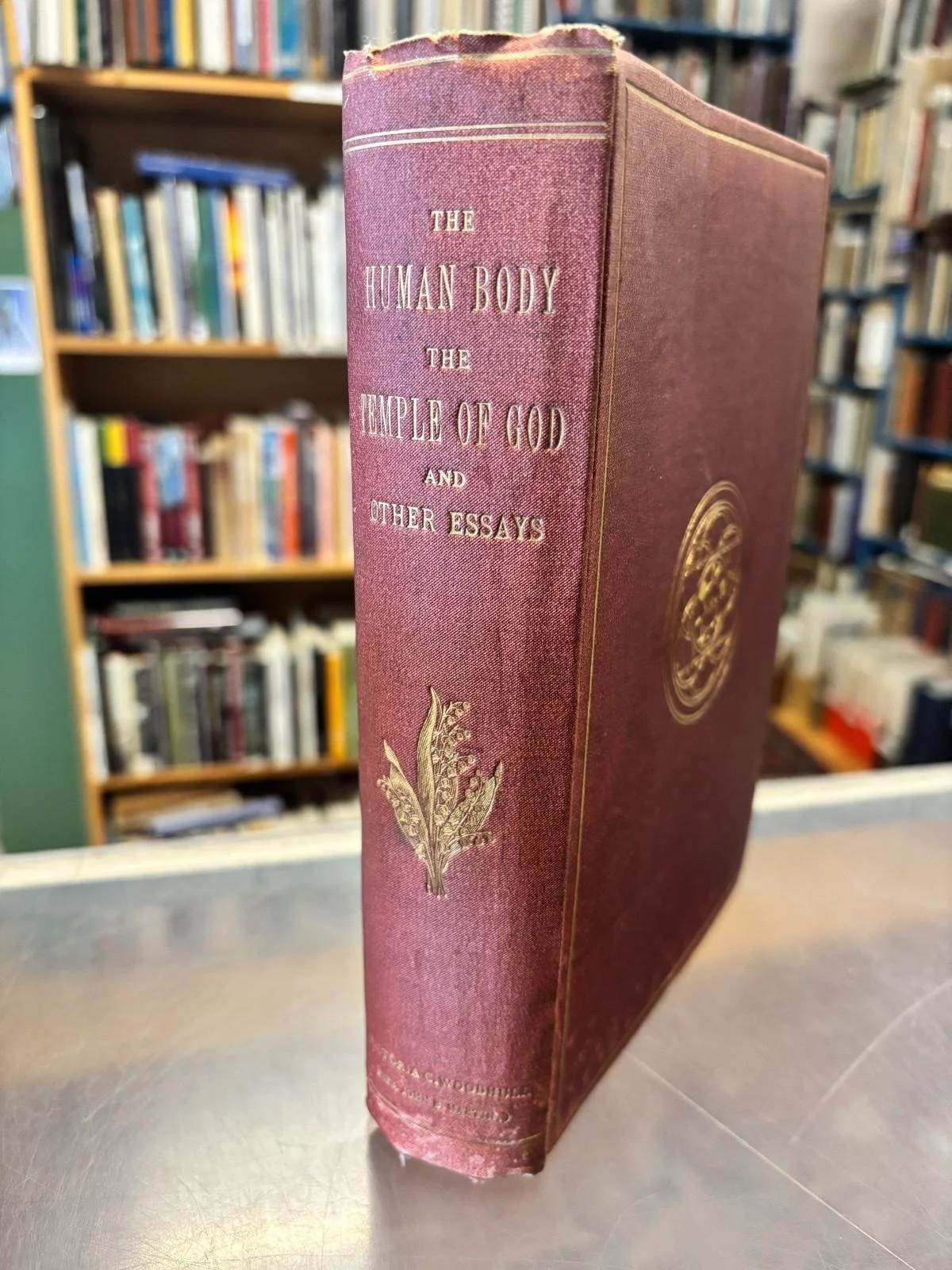 Image 1 of 11
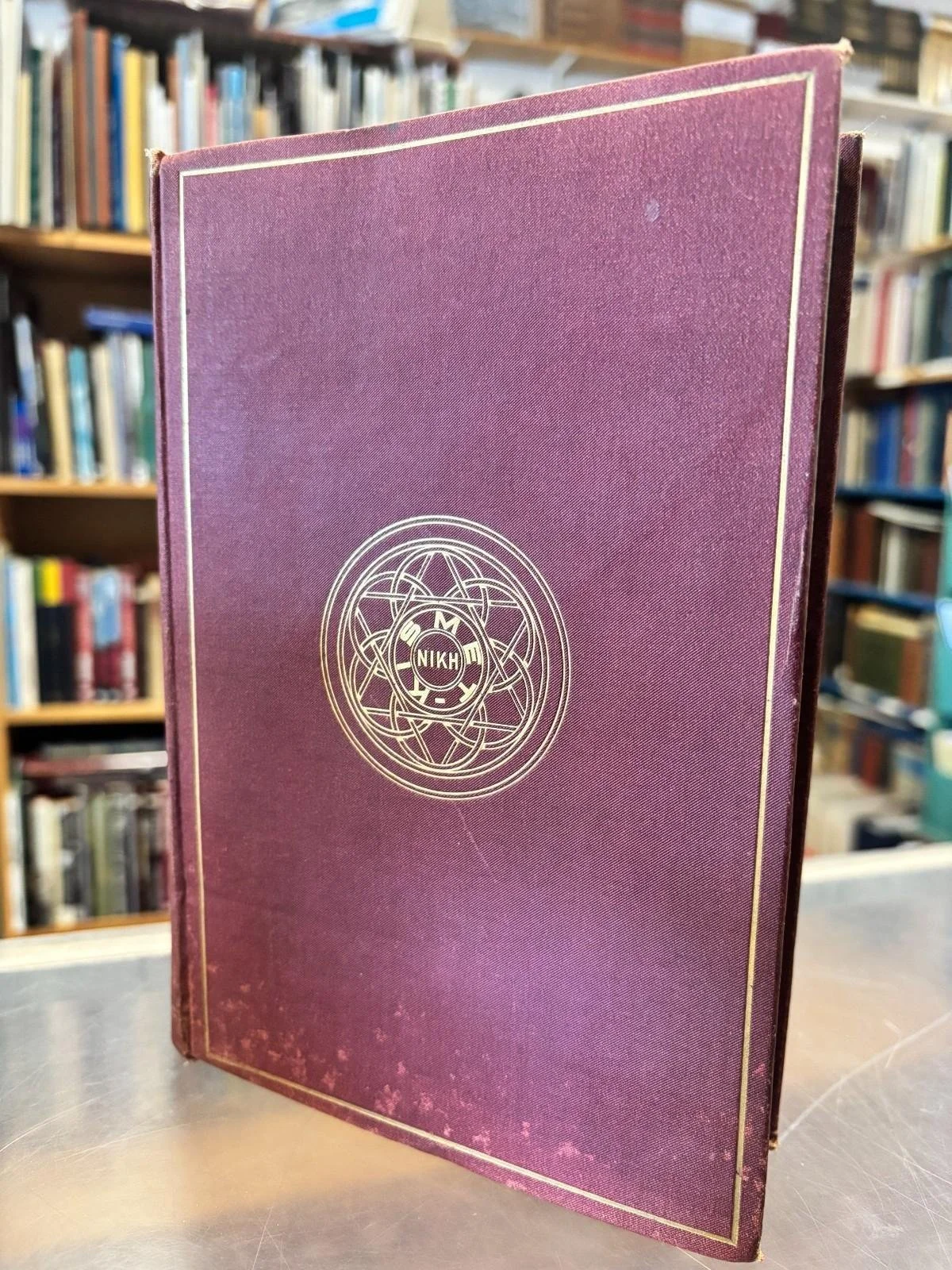 Image 2 of 11
 Image 3 of 11
 Image 4 of 11
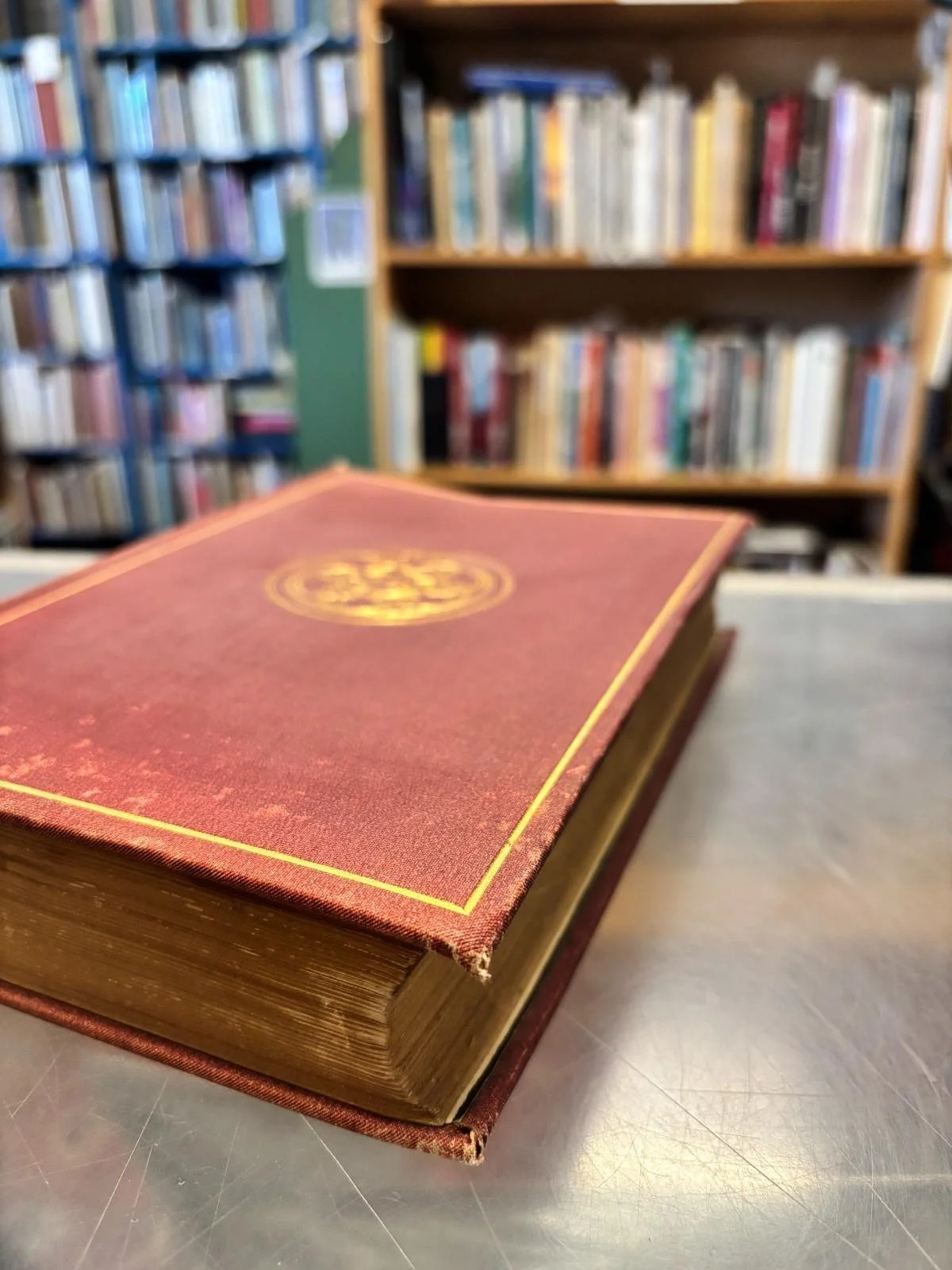 Image 5 of 11
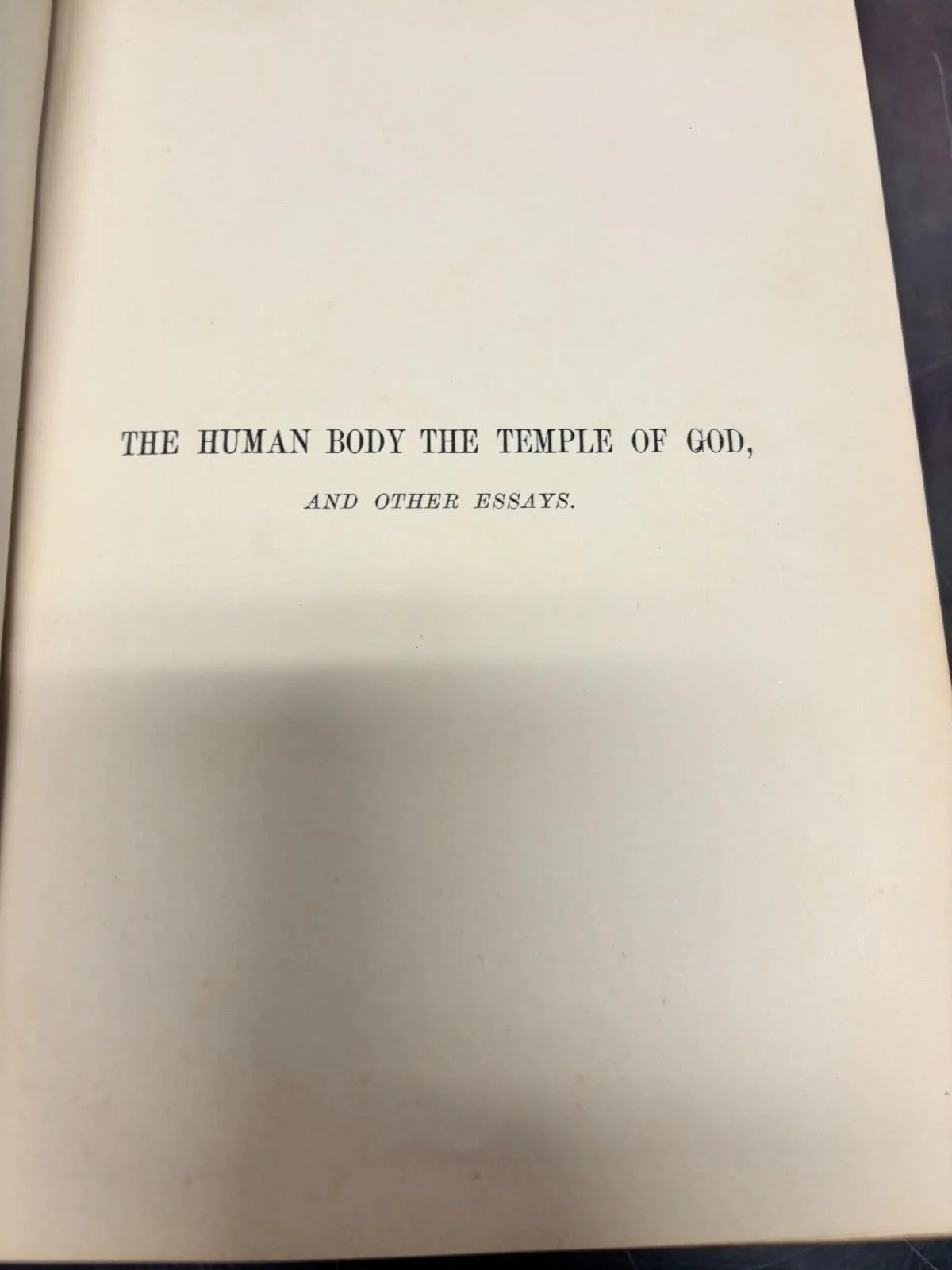 Image 6 of 11
 Image 7 of 11
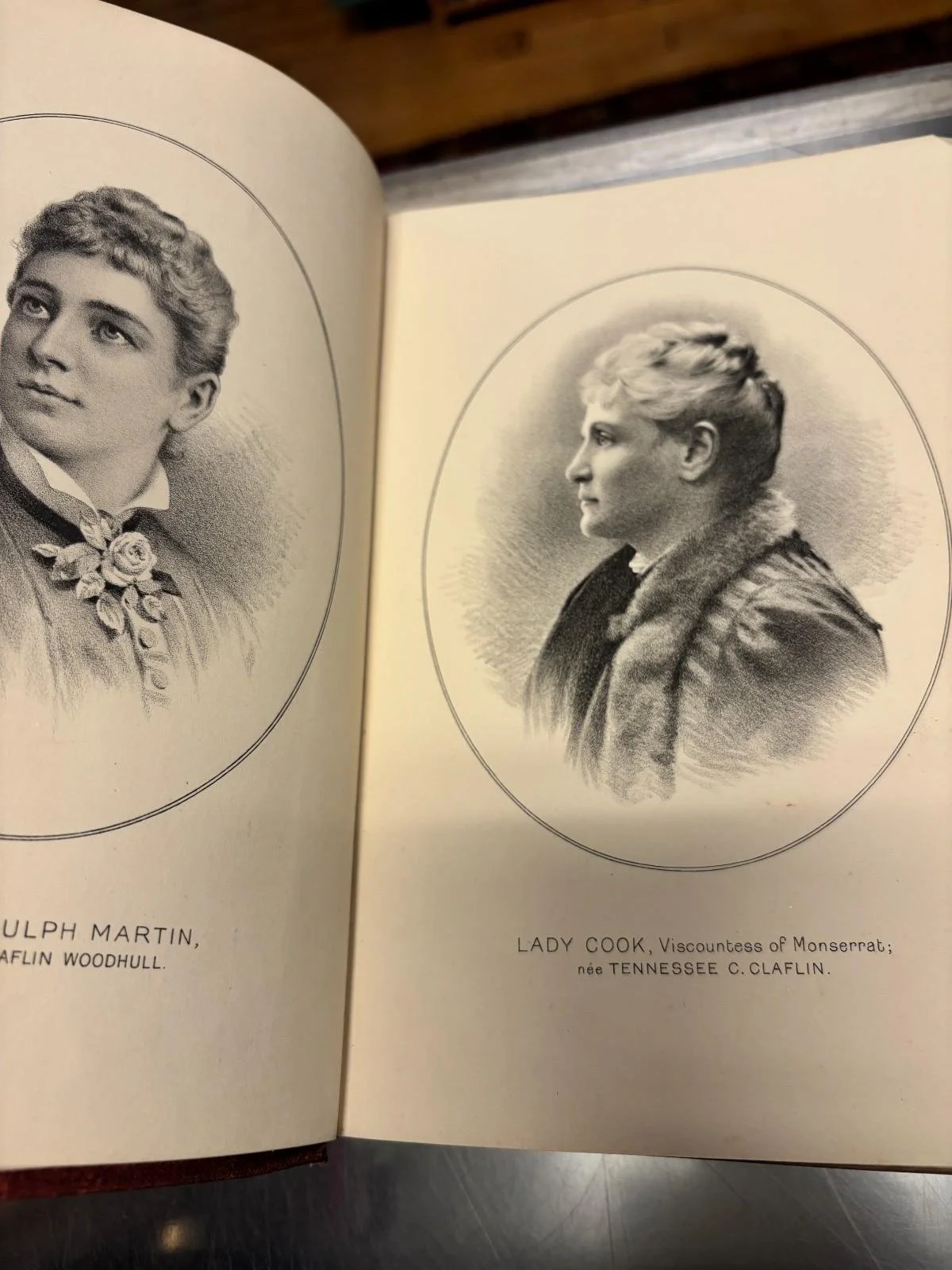 Image 8 of 11
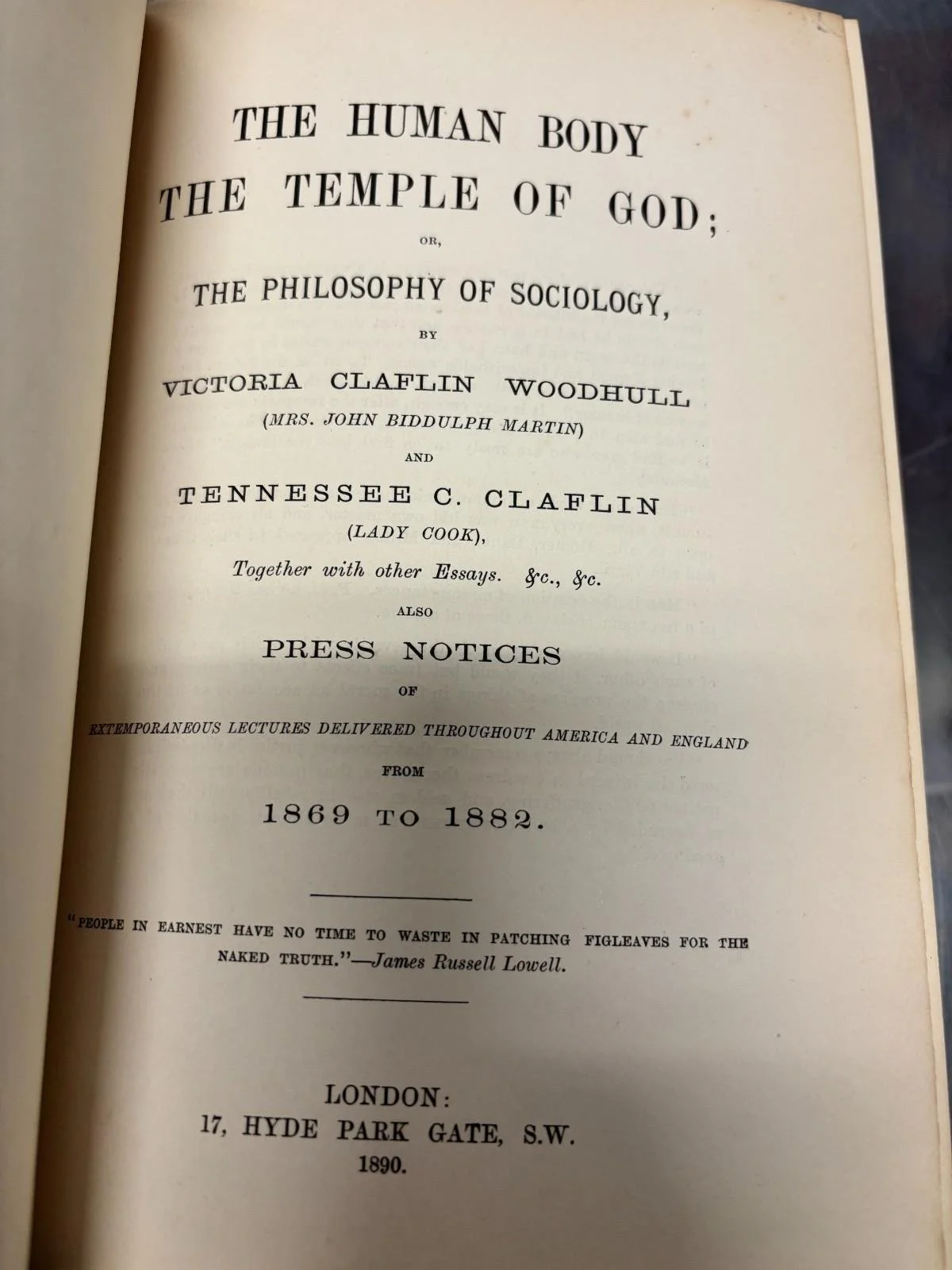 Image 9 of 11
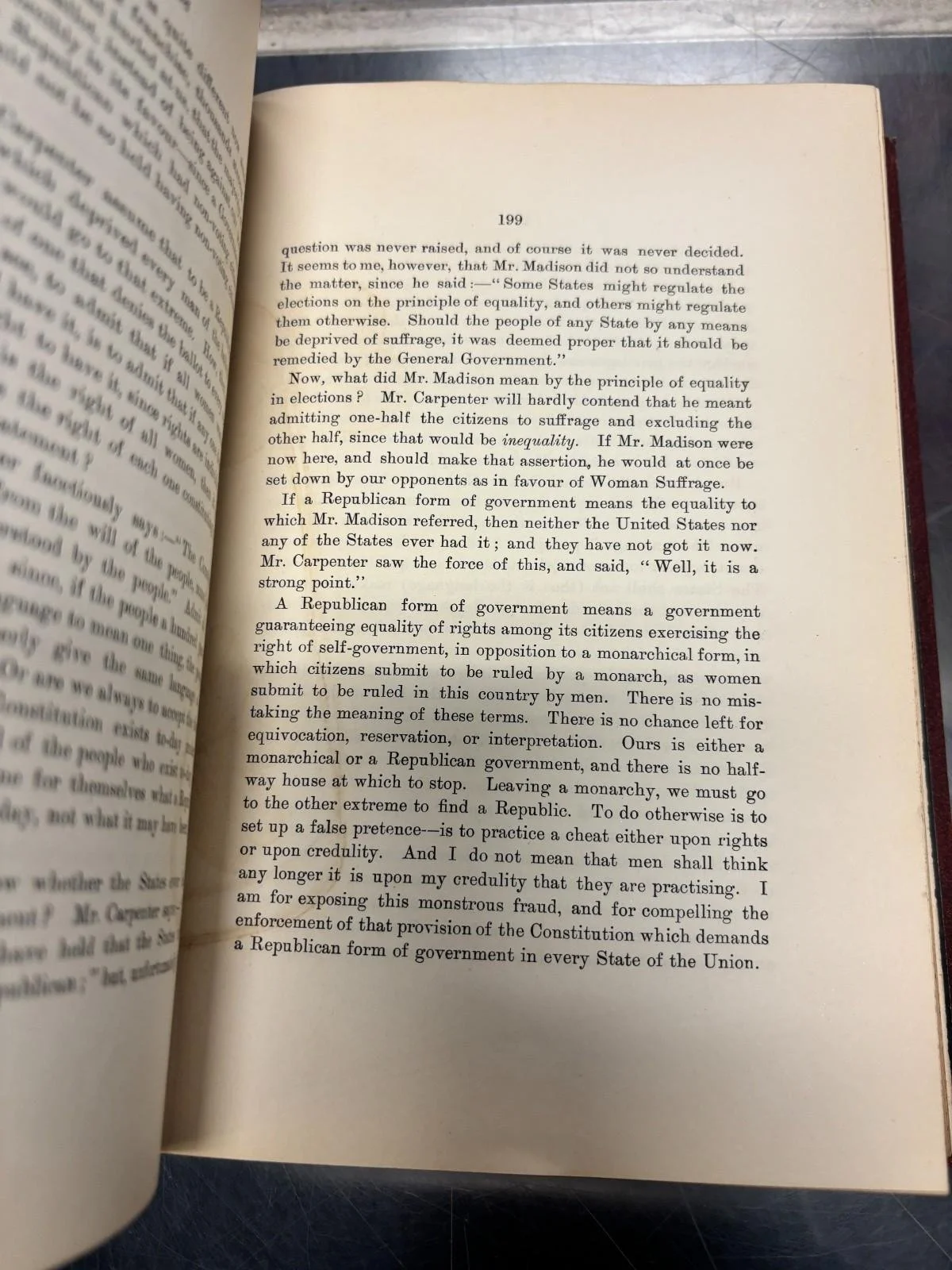 Image 10 of 11
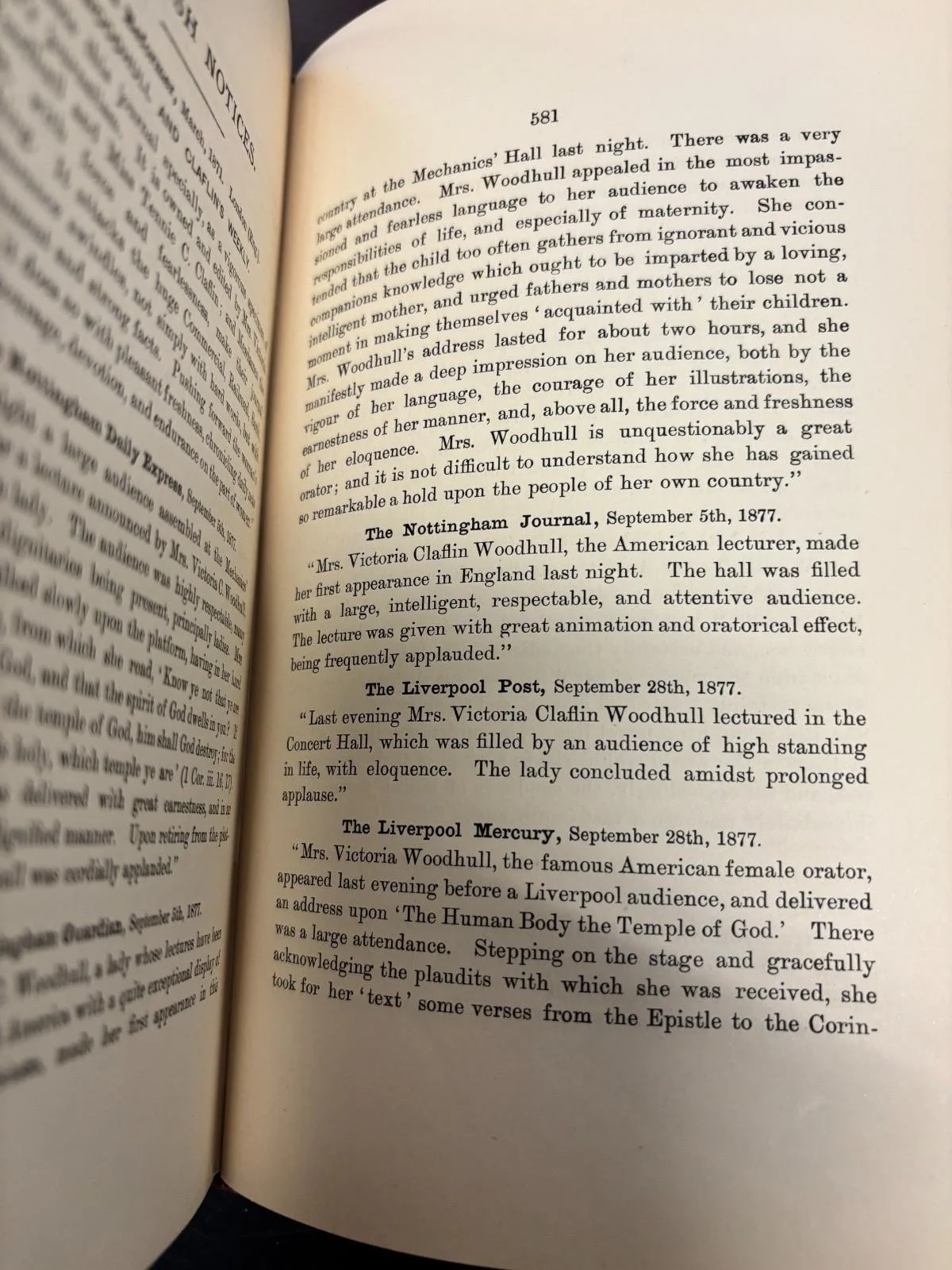 Image 11 of 11