D. João de Castro (27 February 1500 – 6 June 1548) was a Portuguese nobleman, scientist, writer and colonial administrator, being the fourth Portuguese Viceroy of India from 1545 to 1548. He was called Strong Castro (Portuguese: Castro Forte) by the poet Luís de Camões. De Castro was the second son of Álvaro de Castro, the civil governor of Lisbon. His wife was Leonor Coutinho.
In 1535 de Castro accompanied Dom Luís to the siege of Tunis, where he refused knighthood and rewards from Emperor Charles V. When de Castro returned to Lisbon, the king awarded him the commendation of São Paulo de Salvaterra in the Order of Christ in 1538.[3] Soon after, de Castro left for India with his uncle Garcia de Noronha, and participated in the relief of Diu upon his arrival at Goa. In 1540 he served on an expedition to Suez under Estêvão da Gama (the son of Vasco da Gama and then viceroy of India), who knighted his son, Álvaro de Castro in recognition of D. João.[3] After Noronha's death, da Gama succeeded him, and de Castro joined da Gama on an expedition to the Red Sea. Da Gama departed on 31 December 1540, with 12 large galleons (one of which was captained by de Castro) and carracks, and 60 galleys. De Castro kept a detailed journal of the voyage with maps, calculations, pictures, and detailed notes of the coasts of the Arabian Peninsula and regions that are known as Somalia, Eritrea, Ethiopia, Sudan, and Egypt today. He traveled to Suez and other ports on the shores of the Sinai Peninsula, all included in the Roteiro do Mar Roxo. Unlike other viceroys, Castro was interested in Indian culture and religion. He collaborated with the humanist André de Resende to write a book on Indian art. His estate of Penha Verde, in Sintra, contains the two famous black stones of Cambay, retrieved by de Castro and his son.
D. João de Castro (27 February 1500 – 6 June 1548) was a Portuguese nobleman, scientist, writer and colonial administrator, being the fourth Portuguese Viceroy of India from 1545 to 1548. He was called Strong Castro (Portuguese: Castro Forte) by the poet Luís de Camões. De Castro was the second son of Álvaro de Castro, the civil governor of Lisbon. His wife was Leonor Coutinho.
In 1535 de Castro accompanied Dom Luís to the siege of Tunis, where he refused knighthood and rewards from Emperor Charles V. When de Castro returned to Lisbon, the king awarded him the commendation of São Paulo de Salvaterra in the Order of Christ in 1538.[3] Soon after, de Castro left for India with his uncle Garcia de Noronha, and participated in the relief of Diu upon his arrival at Goa. In 1540 he served on an expedition to Suez under Estêvão da Gama (the son of Vasco da Gama and then viceroy of India), who knighted his son, Álvaro de Castro in recognition of D. João.[3] After Noronha's death, da Gama succeeded him, and de Castro joined da Gama on an expedition to the Red Sea. Da Gama departed on 31 December 1540, with 12 large galleons (one of which was captained by de Castro) and carracks, and 60 galleys. De Castro kept a detailed journal of the voyage with maps, calculations, pictures, and detailed notes of the coasts of the Arabian Peninsula and regions that are known as Somalia, Eritrea, Ethiopia, Sudan, and Egypt today. He traveled to Suez and other ports on the shores of the Sinai Peninsula, all included in the Roteiro do Mar Roxo. Unlike other viceroys, Castro was interested in Indian culture and religion. He collaborated with the humanist André de Resende to write a book on Indian art. His estate of Penha Verde, in Sintra, contains the two famous black stones of Cambay, retrieved by de Castro and his son.

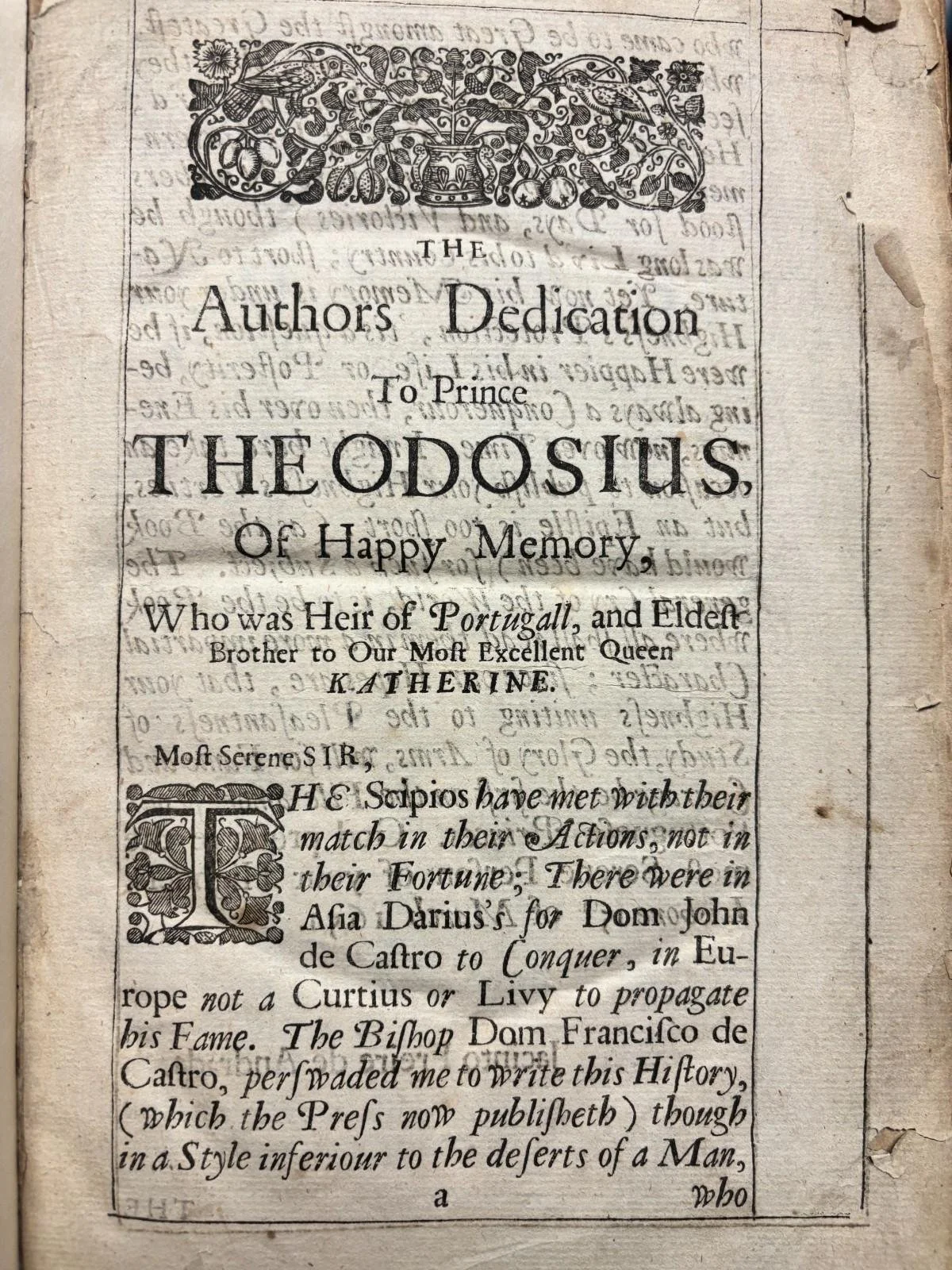 Image 1 of 10
 Image 2 of 10
 Image 3 of 10
 Image 4 of 10
 Image 5 of 10
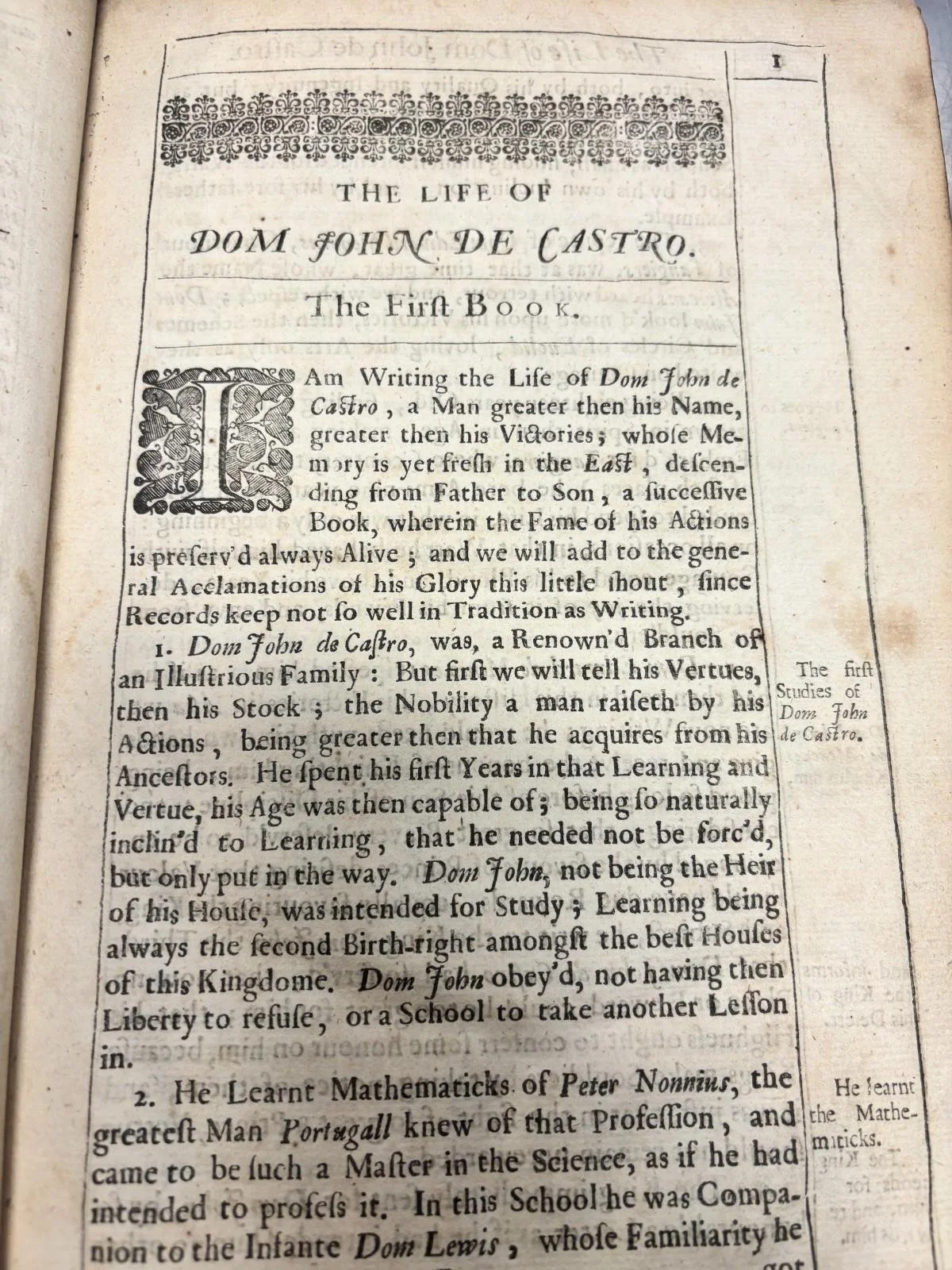 Image 6 of 10
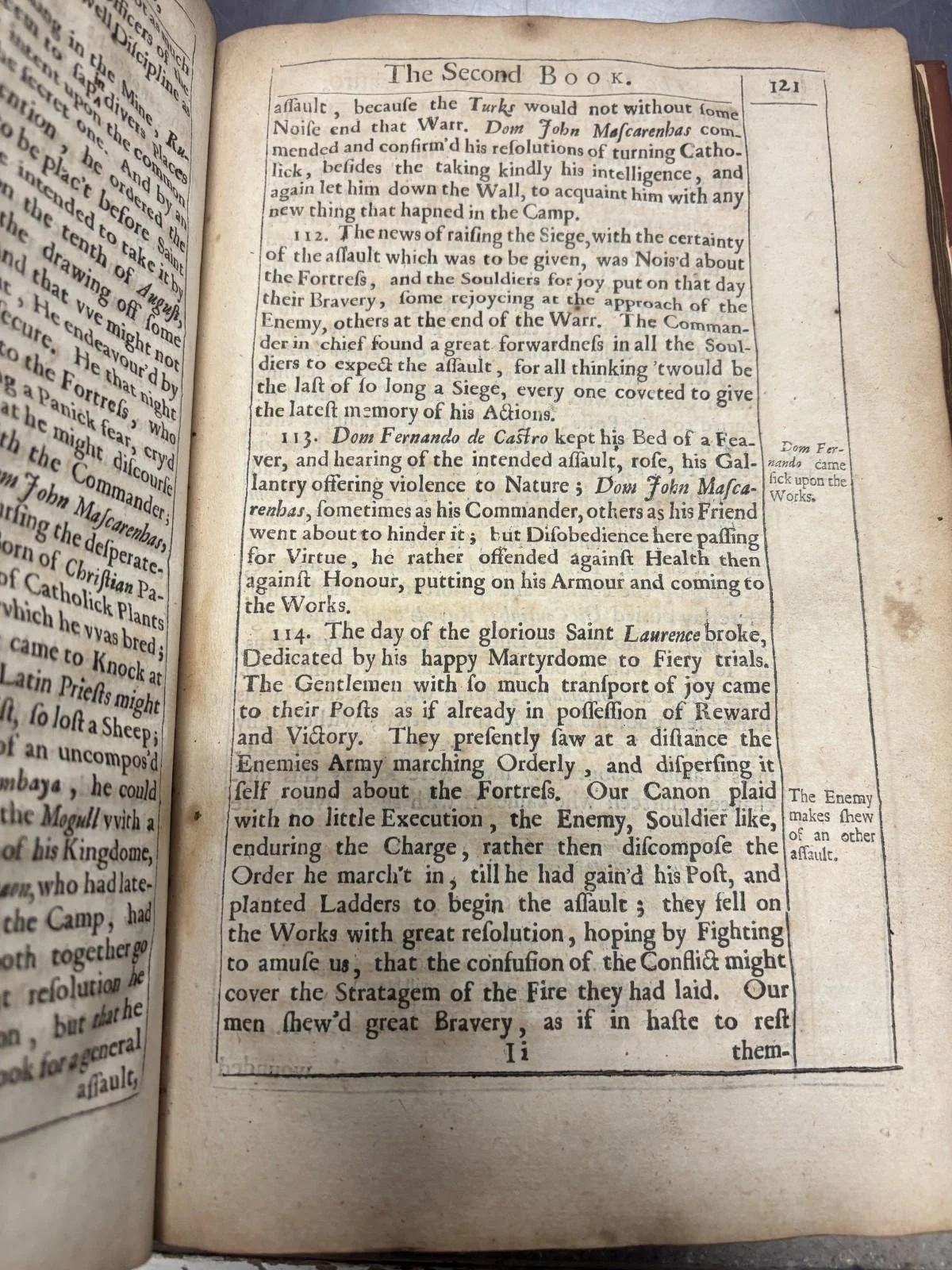 Image 7 of 10
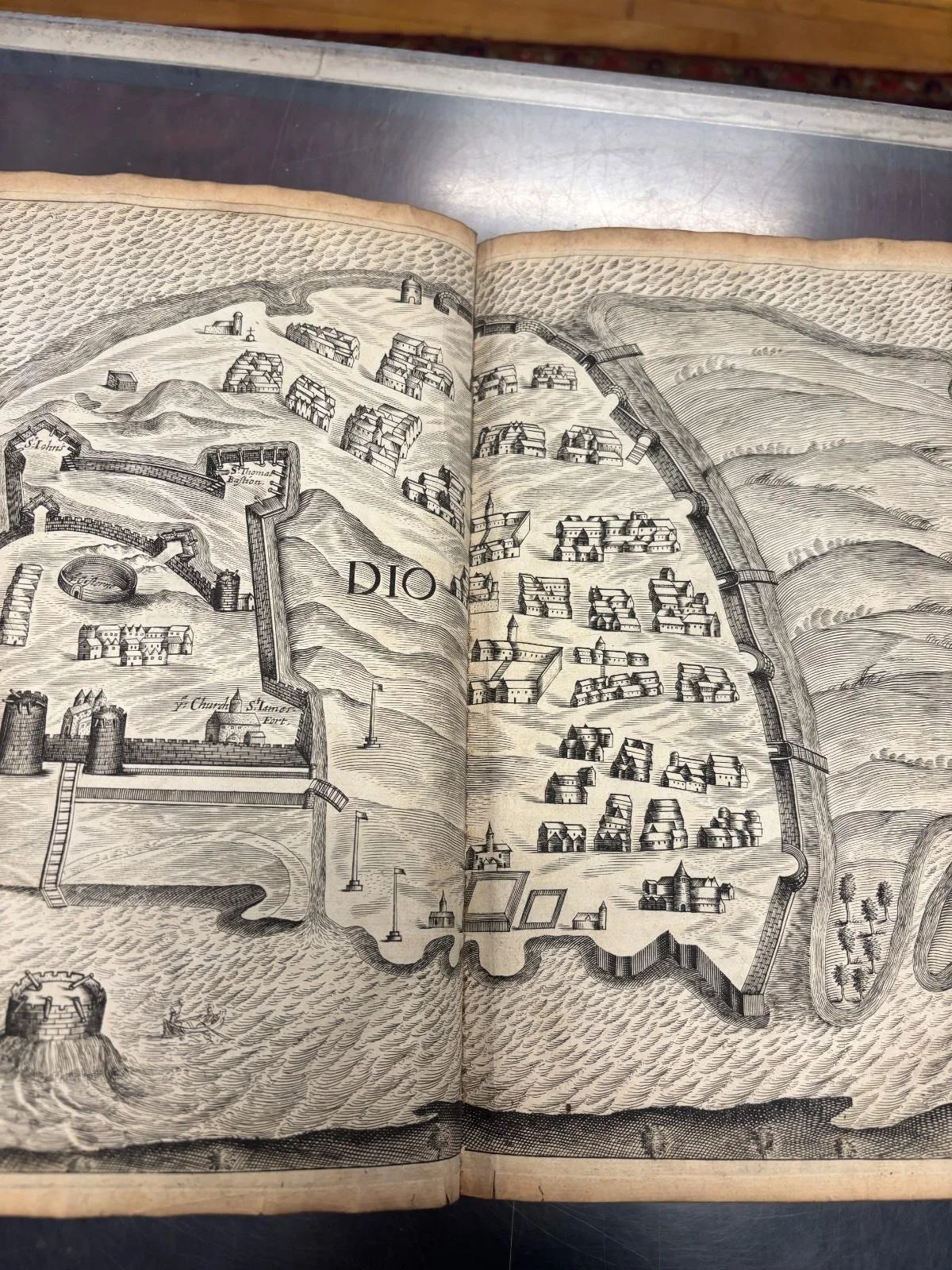 Image 8 of 10
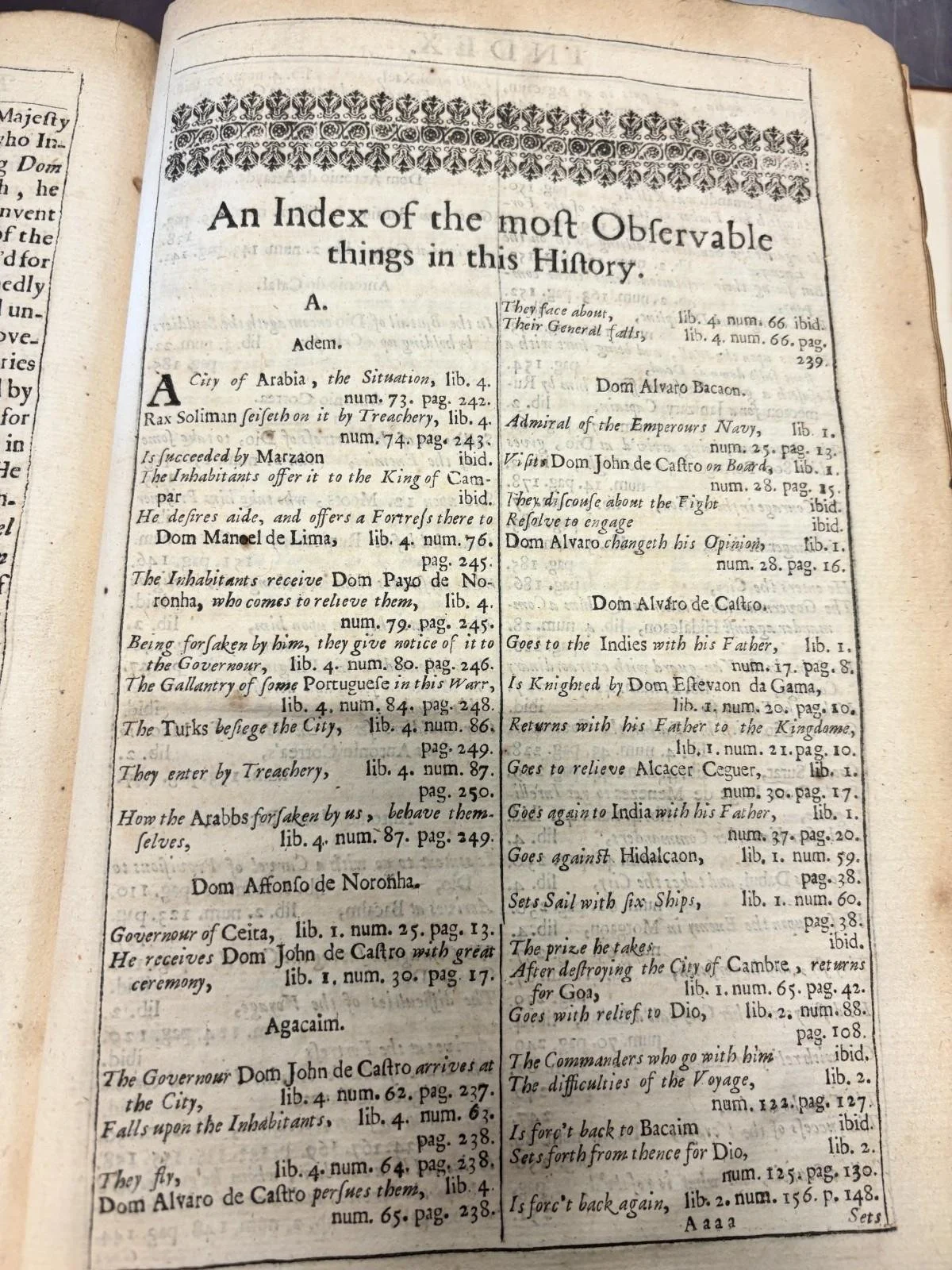 Image 9 of 10
 Image 10 of 10