The Spanish-American War of 1898 ended Spain's colonial empire in the Western Hemisphere and secured the position of the United States as a Pacific power. U.S. victory in the war produced a peace treaty that compelled the Spanish to relinquish claims on Cuba, and to cede sovereignty over Guam, Puerto Rico, and the Philippines to the United States. The United States also annexed the independent state of Hawaii during the conflict. Thus, the war enabled the United States to establish its predominance in the Caribbean region and to pursue its strategic and economic interests in Asia.
The war that erupted in 1898 between the United States and Spain was preceded by three years of fighting by Cuban revolutionaries to gain independence from Spanish colonial rule. From 1895-1898, the violent conflict in Cuba captured the attention of Americans because of the economic and political instability that it produced in a region within such close geographical proximity to the United States. The long-held U.S. interest in ridding the Western Hemisphere of European colonial powers and American public outrage over brutal Spanish tactics created much sympathy for the Cuban revolutionaries. By early 1898, tensions between the United States and Spain had been mounting for months. After the U.S. battleship Maine exploded and sank in Havana harbor under mysterious circumstances on February 15, 1898, U.S. military intervention in Cuba became likely.
On April 11, 1898, President William McKinley asked Congress for authorization to end the fighting in Cuba between the rebels and Spanish forces, and to establish a "stable government" that would "maintain order" and ensure the "peace and tranquility and the security" of Cuban and U.S. citizens on the island. On April 20, the U.S. Congress passed a joint resolution that acknowledged Cuban independence, demanded that the Spanish government give up control of the island, foreswore any intention on the part of the United States to annex Cuba, and authorized McKinley to use whatever military measures he deemed necessary to guarantee Cuba's independence.
The Spanish government rejected the U.S. ultimatum and immediately severed diplomatic relations with the United States. McKinley responded by implementing a naval blockade of Cuba on April 22 and issued a call for 125,000 military volunteers the following day. That same day, Spain declared war on the United States, and the U.S. Congress voted to go to war against Spain on April 25.
The Spanish-American War of 1898 ended Spain's colonial empire in the Western Hemisphere and secured the position of the United States as a Pacific power. U.S. victory in the war produced a peace treaty that compelled the Spanish to relinquish claims on Cuba, and to cede sovereignty over Guam, Puerto Rico, and the Philippines to the United States. The United States also annexed the independent state of Hawaii during the conflict. Thus, the war enabled the United States to establish its predominance in the Caribbean region and to pursue its strategic and economic interests in Asia.
The war that erupted in 1898 between the United States and Spain was preceded by three years of fighting by Cuban revolutionaries to gain independence from Spanish colonial rule. From 1895-1898, the violent conflict in Cuba captured the attention of Americans because of the economic and political instability that it produced in a region within such close geographical proximity to the United States. The long-held U.S. interest in ridding the Western Hemisphere of European colonial powers and American public outrage over brutal Spanish tactics created much sympathy for the Cuban revolutionaries. By early 1898, tensions between the United States and Spain had been mounting for months. After the U.S. battleship Maine exploded and sank in Havana harbor under mysterious circumstances on February 15, 1898, U.S. military intervention in Cuba became likely.
On April 11, 1898, President William McKinley asked Congress for authorization to end the fighting in Cuba between the rebels and Spanish forces, and to establish a "stable government" that would "maintain order" and ensure the "peace and tranquility and the security" of Cuban and U.S. citizens on the island. On April 20, the U.S. Congress passed a joint resolution that acknowledged Cuban independence, demanded that the Spanish government give up control of the island, foreswore any intention on the part of the United States to annex Cuba, and authorized McKinley to use whatever military measures he deemed necessary to guarantee Cuba's independence.
The Spanish government rejected the U.S. ultimatum and immediately severed diplomatic relations with the United States. McKinley responded by implementing a naval blockade of Cuba on April 22 and issued a call for 125,000 military volunteers the following day. That same day, Spain declared war on the United States, and the U.S. Congress voted to go to war against Spain on April 25.

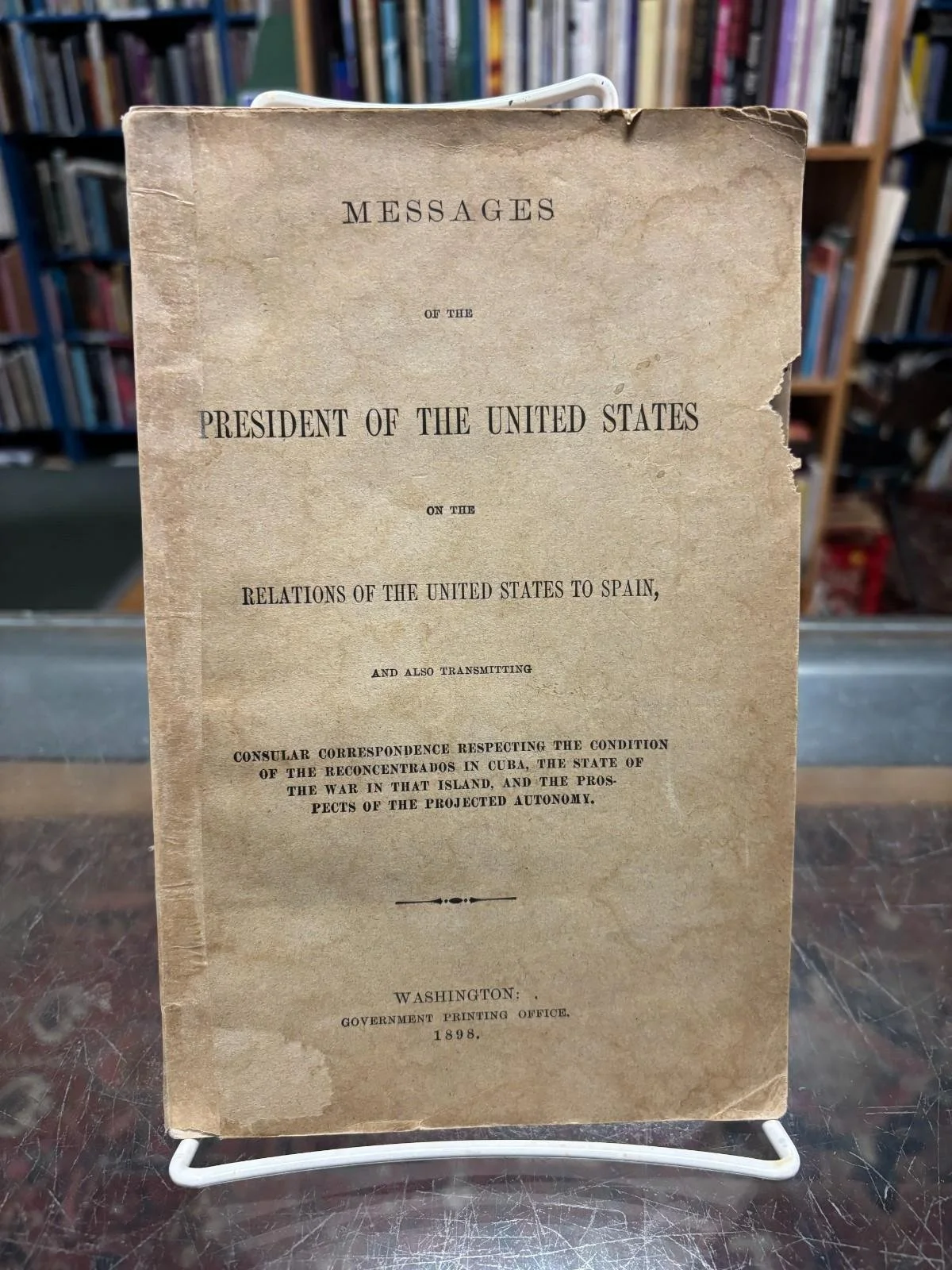 Image 1 of 7
 Image 2 of 7
 Image 3 of 7
 Image 4 of 7
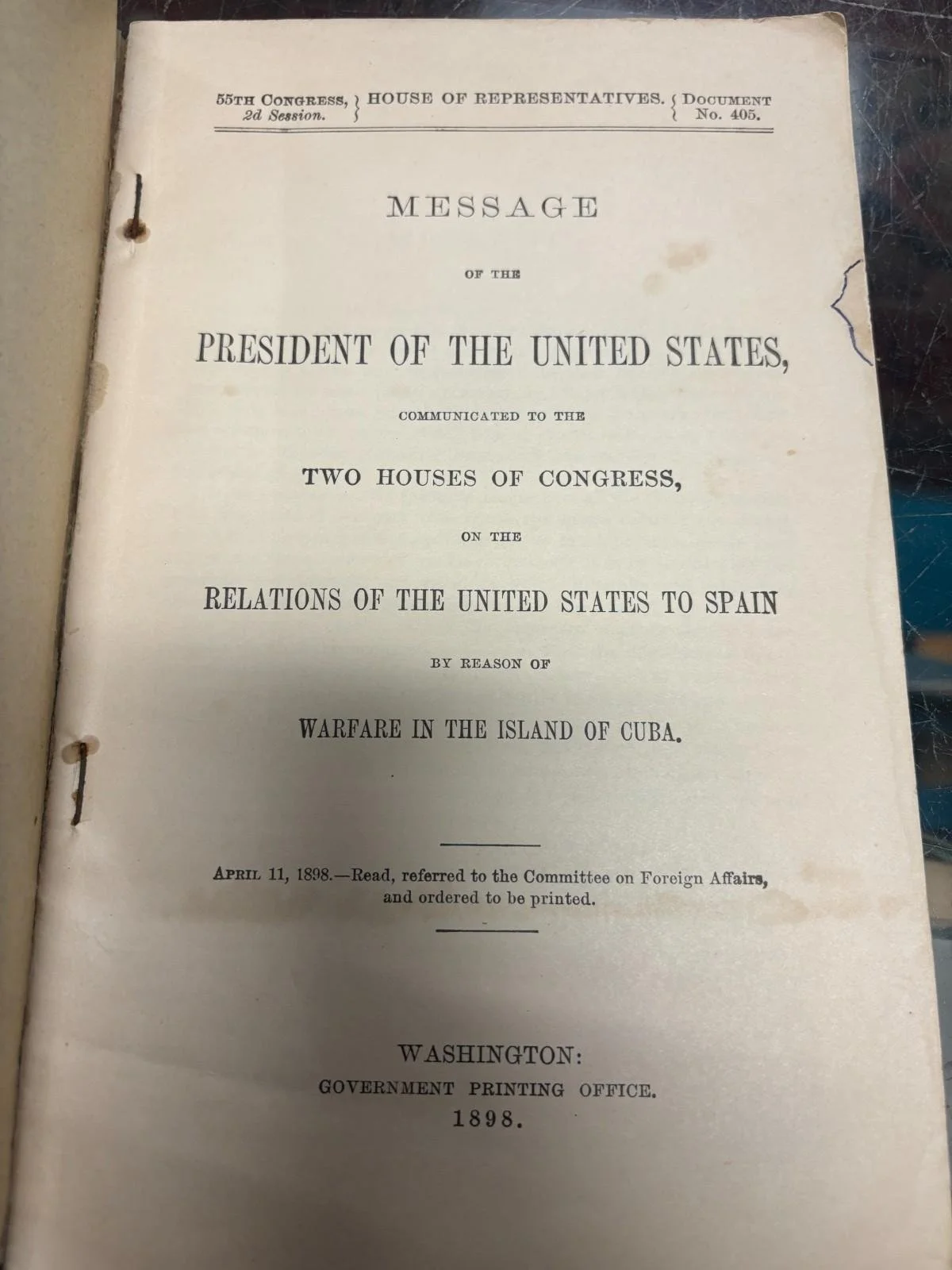 Image 5 of 7
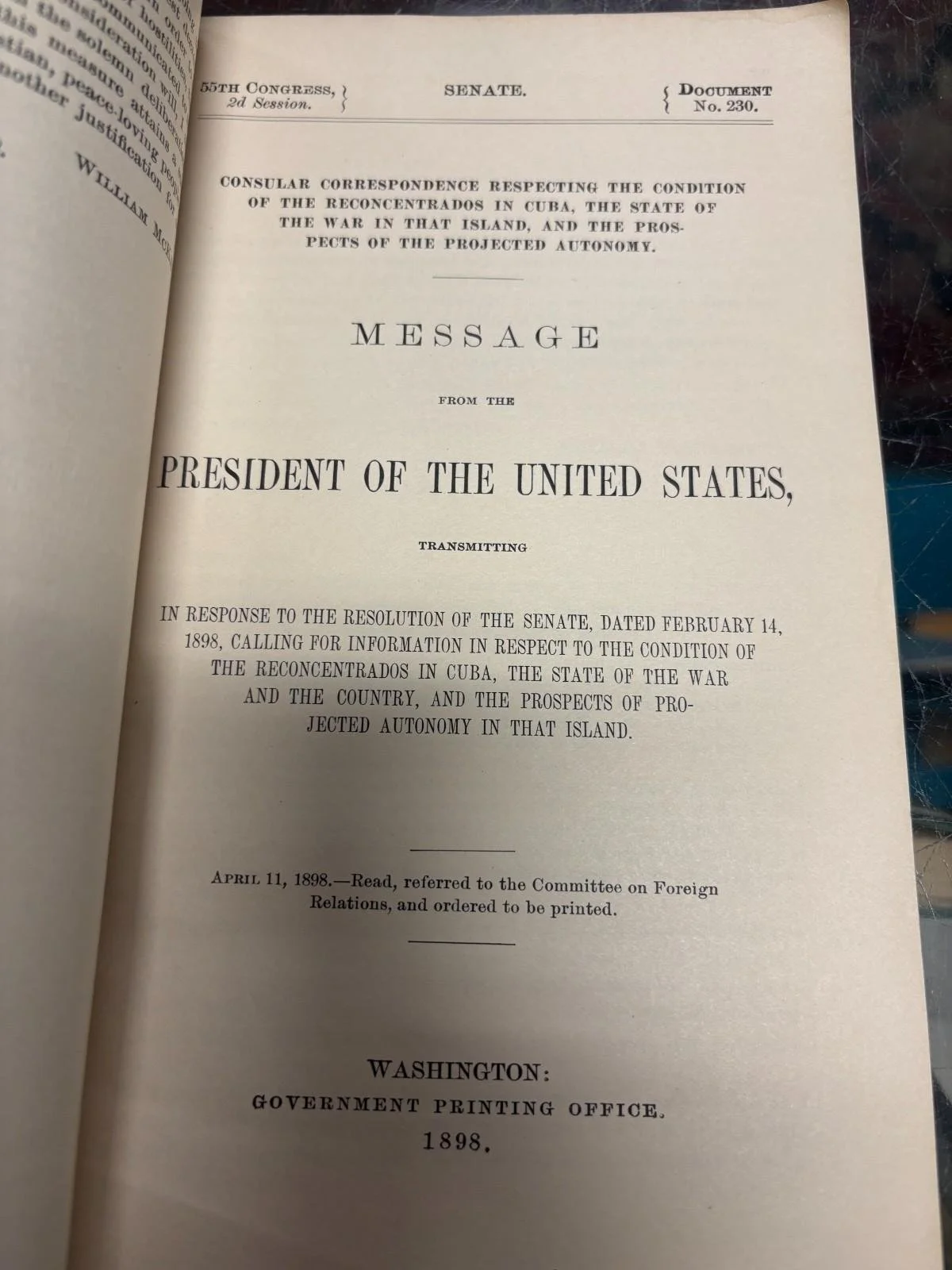 Image 6 of 7
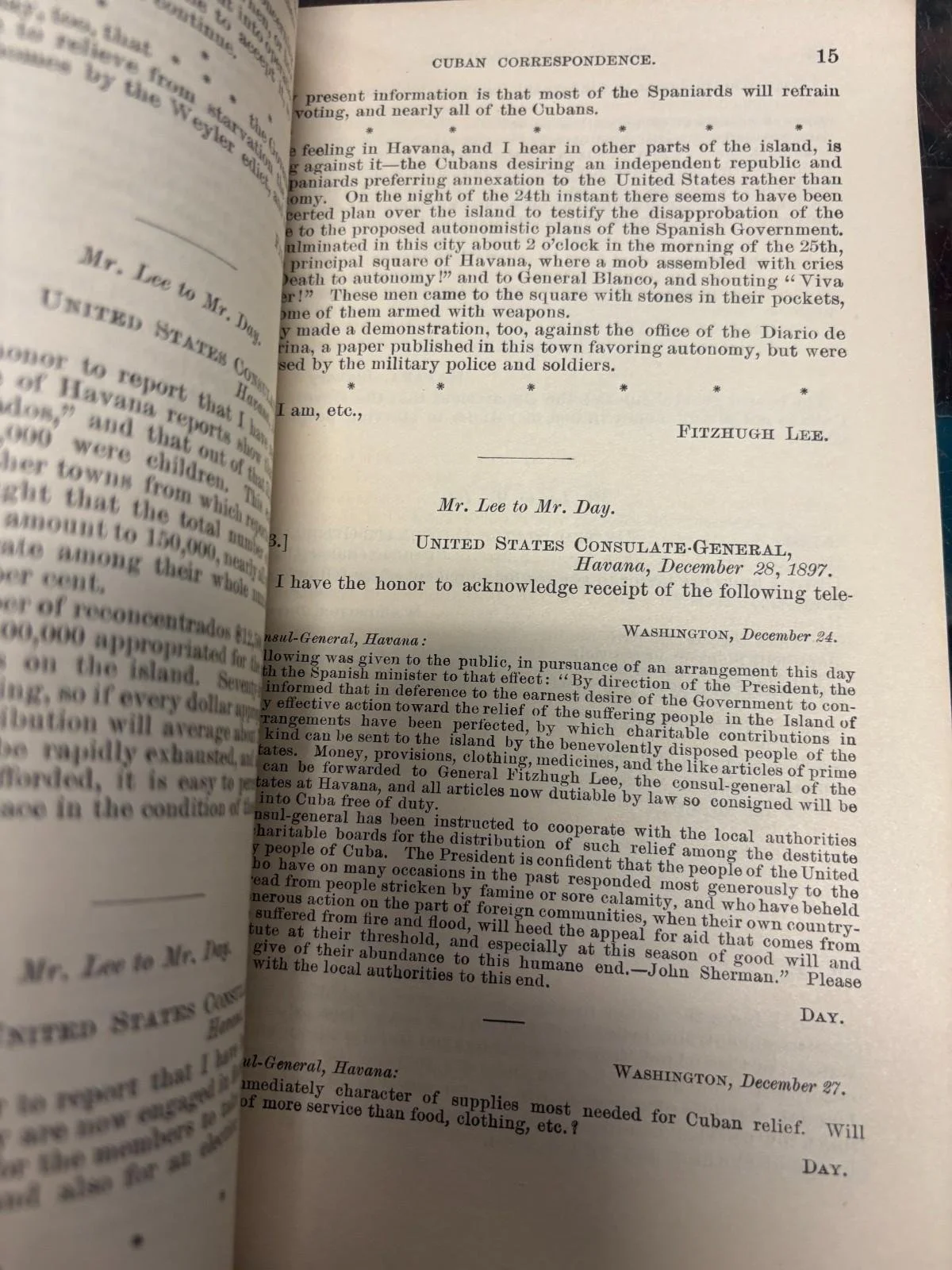 Image 7 of 7